
Last updated November 14, 2026
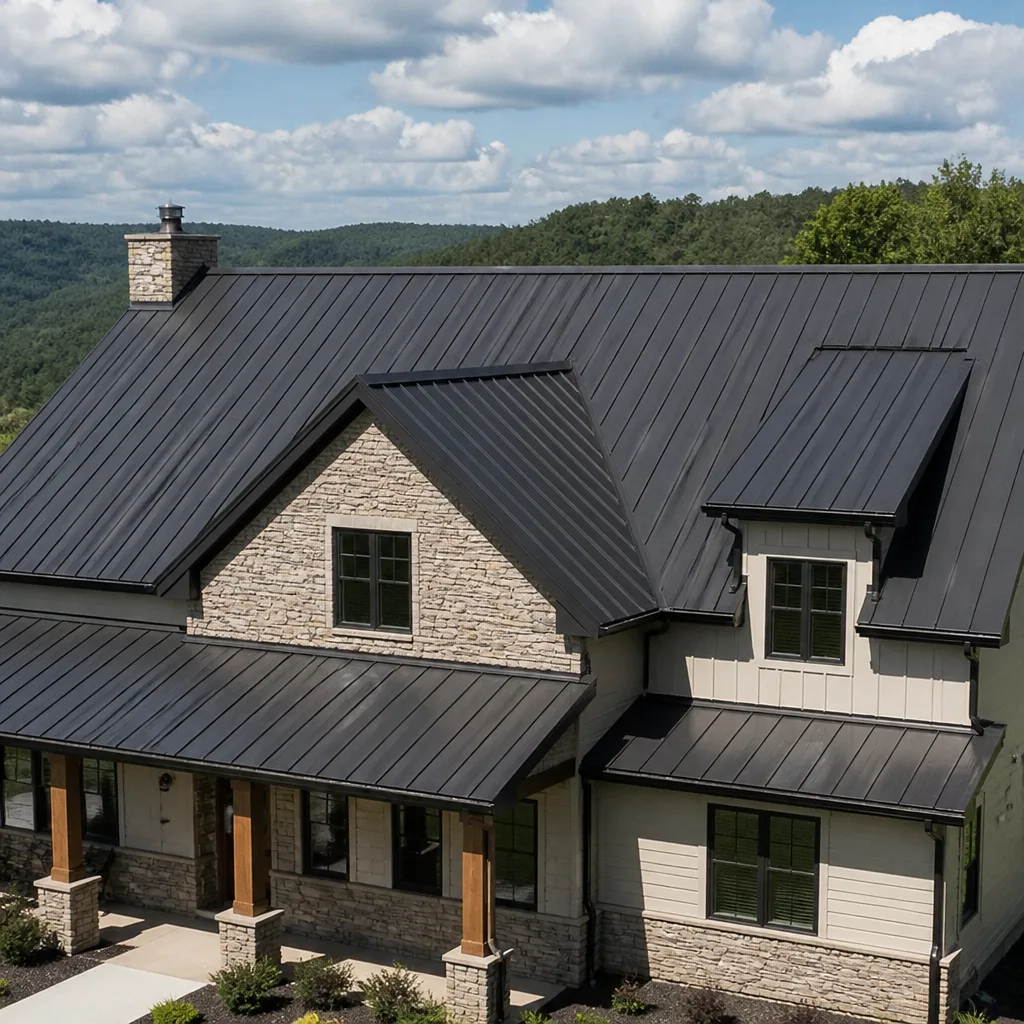 Metal roofing
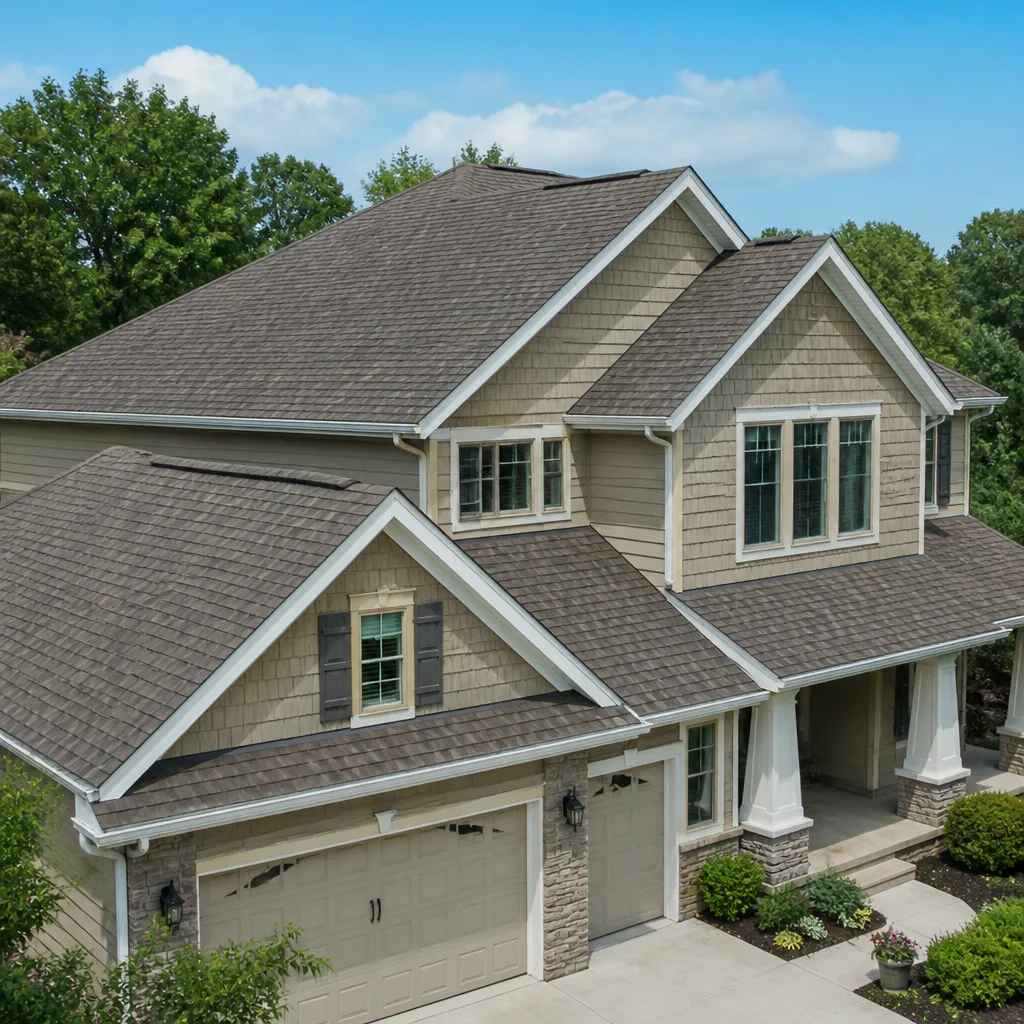 Architectural shingles
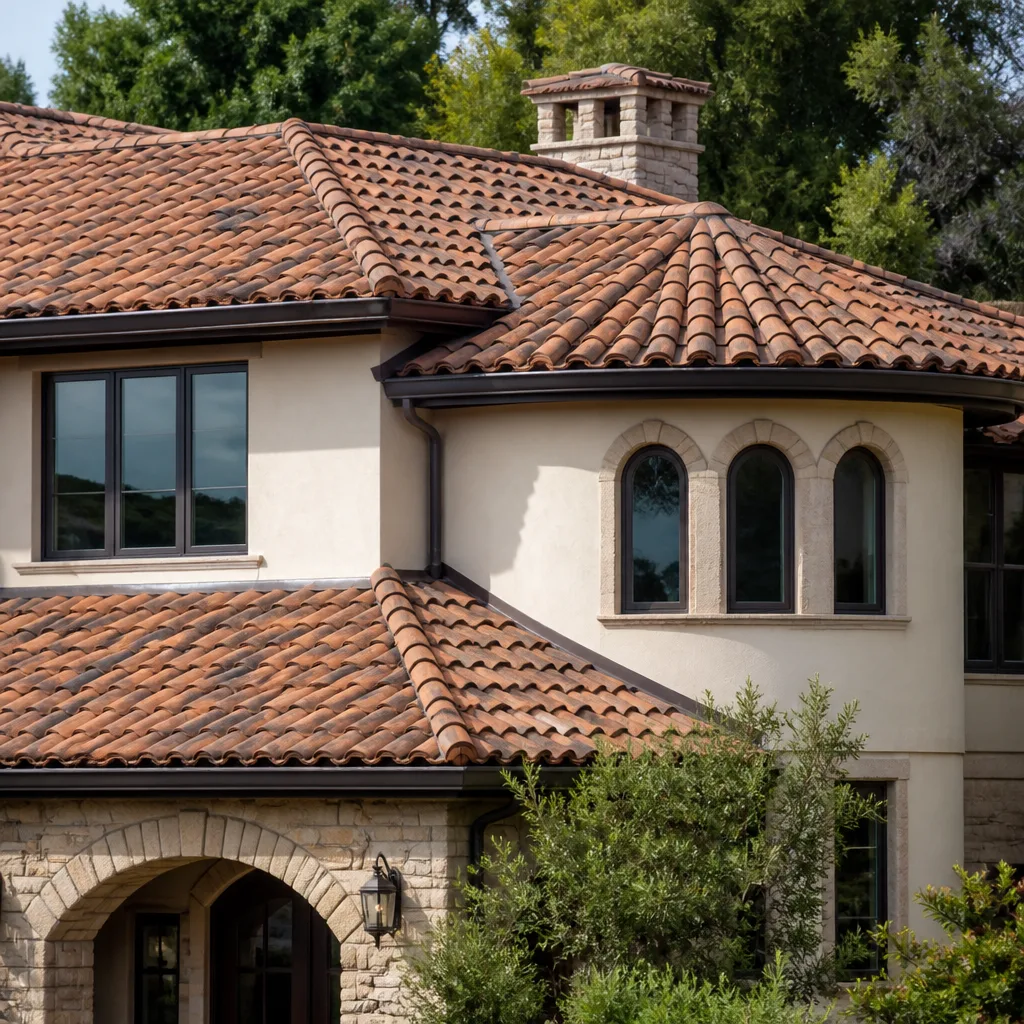 Tile roofing
 GAF
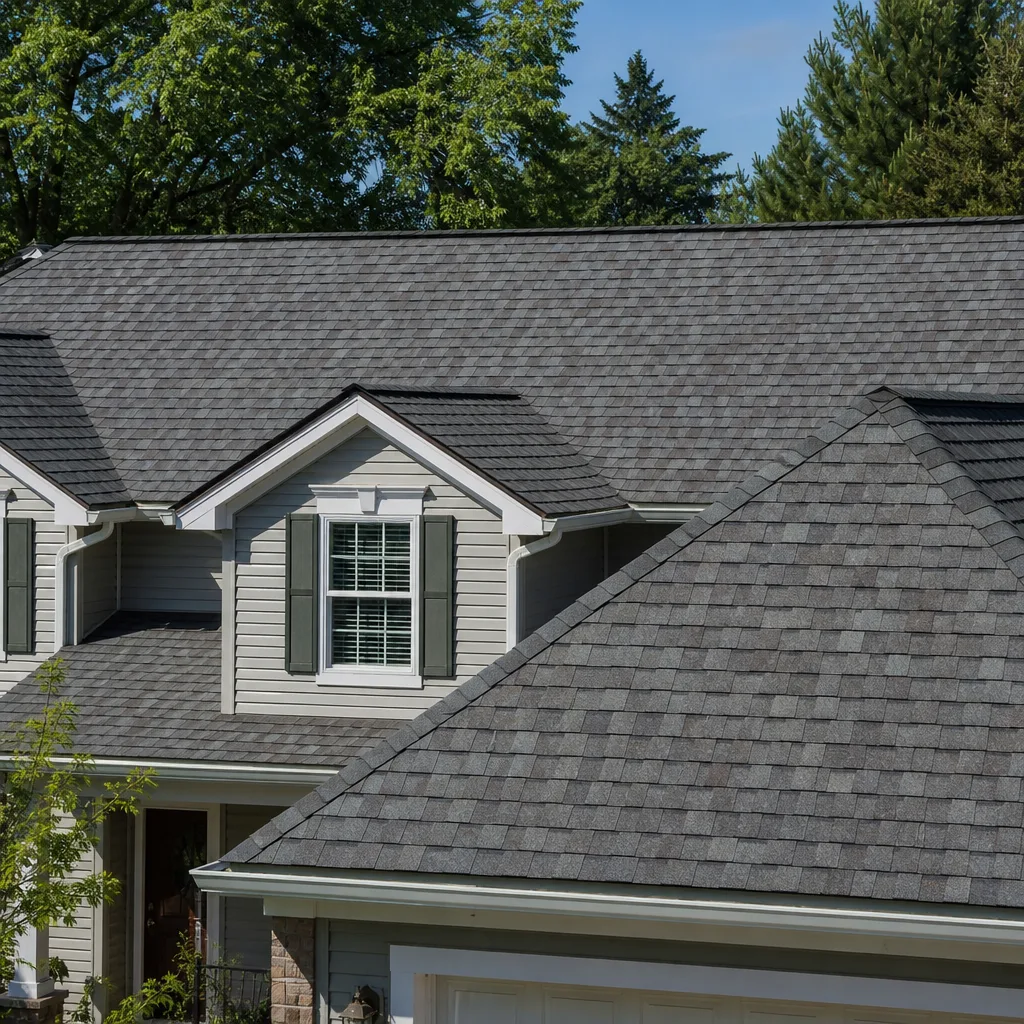 Owens Corning
 Flat & low-slope
Free roof inspection with deck photos before we talk money - GAF and Owens Corning certified installation
Roofing Permits, Codes & Inspections in Santa Clara, CA: What You Need to Know
Most homeowners assume a re-roof either needs a permit or it doesn’t, and that the answer is the same for every job. In Santa Clara, it isn’t. The line moves depending on how much of the roof you’re touching, what material is going back on, and whether the decking gets opened up. A small patch repair and a full tear-off can look similar on a quote and sit on opposite sides of the permit threshold. Getting the call wrong doesn’t just risk a stop-work order. It can surface years later at a title search, when unpermitted work on the building envelope stalls a sale. This guide walks through where Santa Clara draws those lines, how the inspection sequence actually runs, what the energy code means for your shingle choice, and how to fix an unpermitted roof before it becomes someone else’s problem.
Quick Answer
In Santa Clara, a full re-roof and any job that replaces the underlayment or alters the roof deck requires a building permit; small repairs that only replace damaged surface material generally qualify as maintenance and don’t. Because the roof is part of the building envelope and California’s energy code applies to reroofs, permitted work also has to meet cool-roof requirements for the material being installed. Inspectors check the deck, the underlayment, and the finished roof at separate stages, so a permitted job is inspected more than once.
Styles & brands we work with
- Architectural shingles
- Metal roofing
- Tile roofing
- GAF
- Owens Corning
- Flat & low-slope
Table of Contents
- Does a Roofing Project in Santa Clara Need a Permit?
- Repair or Replacement? Where the Permit Line Falls
- How Title 24 Affects Your Roofing Material in Santa Clara
- The Inspection Sequence for a Permitted Re-Roof
- HOAs and CC&Rs: The Second Approval Layer
- What to Do About Unpermitted Roofing Work
- Choosing a Santa Clara Roofer Who Handles Permits
- What Permits and Inspections Add to a Roofing Project
Does a Roofing Project in Santa Clara Need a Permit?
Yes for anything that replaces the roof covering system or opens the deck; generally no for a spot repair that only replaces a few damaged shingles or flashing. That’s the short version. The practical version depends on what “repair” means on your particular roof.
Santa Clara’s building department, like most in California, treats the roof as part of the building envelope. That classification matters because the envelope is what the energy code governs, and it’s what inspectors look at during a permitted job. Once a project crosses into envelope work, a permit is the mechanism that gets the work reviewed and inspected. A reroof counts. A tear-off down to the sheathing counts. Adding a new layer of shingles over an existing one counts in most cases, because the covering system is being replaced even though the old roof stays.
What usually doesn’t need a permit:
- Replacing a handful of cracked or missing shingles after wind
- Sealing or replacing pipe boots and step flashing
- Patching a localized leak where the underlying underlayment stays intact
- Re-caulking around vents and penetrations
The threshold gets blurry when a repair grows. If a leak has rotted the sheathing and the repair requires cutting out decking, you’ve moved from maintenance into structural repair, and that’s permitted work. In our experience, the jobs that start as “just a patch” and end up needing a permit are the ones where water has been getting in for a while. If you’re not sure which side of the line your project sits on, a roof inspection answers the scope question before anyone files paperwork.
One more thing worth knowing: pulling a permit isn’t a red flag on a sale, but skipping one is. A permitted re-roof comes with an inspection record. That record is what a buyer’s agent and a title company want to see.
Repair or Replacement? Where the Permit Line Falls
The permit question and the repair-versus-replacement question are the same question wearing different clothes. If the answer to “do I repair or replace” is replace, you’re almost certainly pulling a permit. If it’s repair, the answer depends on depth.
Here’s how we sort it on a Santa Clara roof:
- Surface-level repair. Damaged material only, underlayment intact, deck sound. Maintenance. No permit in most cases.
- Flashing and penetration repair. Chimney flashing, vent boots, valley metal. Still maintenance if the surrounding field of shingles stays.
- Deck repair. Any cutting, sistering, or replacement of sheathing or fascia. Permitted work, because the structure under the covering is being altered.
- Section replacement. A large area of one slope gets torn off and rebuilt. This is where departments vary most; treat it as permitted until you’re told otherwise.
- Full reroof. Tear-off or overlay. Permitted, inspected, and subject to energy code.
Section replacement is the case that trips people up, especially on older Santa Clara homes where slopes have aged unevenly. Matching new shingles to an existing roof is possible, and a material-agnostic crew can usually find a close match across brands like IKO or Tamko rather than tearing off the whole roof to keep the color consistent. But matching doesn’t change the permit question. If the scope touches the deck, you’re in permitted territory regardless of how small the square footage is.
We’d rather tell you a job is a repair than sell you a replacement. That’s the whole point of a standalone inspection. The scope determines the permit, and the inspection determines the scope.
How Title 24 Affects Your Roofing Material in Santa Clara
California’s Title 24 energy code applies to reroofs, and it changes what goes on your roof, not just how it’s fastened. The code sets requirements for how much of the sun’s heat a roof reflects back, which means the color and product line you choose can decide whether the job passes inspection. This is the part of permitting homeowners are least prepared for, and the part a good contractor brings up before the shingles are ordered.
What it means in practice:
- Reflective, lighter-colored products generally meet the requirement more easily than dark ones.
- Some product lines carry rated options; others don’t, and no amount of paperwork fixes that after the fact.
- Certain roof types and assembly configurations are treated differently from others, so the same shingle can satisfy the code on one home and not another.
- The requirement is tied to the material being installed, which is one reason a Santa Clara reroof can’t be planned purely on color preference.
This is where brand breadth earns its keep. Atlas, Boral, and the other manufacturers we work with across our portfolio each publish the product data that a permit review needs. When a homeowner wants a darker shingle for the look of it, we can check whether that product family offers a rated option in the same color family rather than simply telling them no. And when the answer is genuinely no, we say so early, before the permit application goes in.
The same logic applies if you’re only replacing a section. If the assembly being installed has to meet the code, the section has to meet it too. It’s less about how much roof you’re covering and more about what you’re putting down.
Ask about the energy requirements at the estimate stage, not the inspection stage. It’s a much cheaper conversation to have early.
The Inspection Sequence for a Permitted Re-Roof
A permitted re-roof in Santa Clara isn’t inspected once. It’s inspected at stages, and each stage has to pass before the next one can proceed. Knowing the sequence helps you understand why a permitted job has a different rhythm than a quick patch, and why the contractor may ask you to leave certain areas accessible.
- Permit issued and posted. The project is filed, the permit is issued, and the job card is available on site for inspectors.
- Deck inspection. After tear-off, before underlayment. The inspector looks at the sheathing for rot, proper nailing, and any structural repair that was part of the scope. If the deck has problems that weren’t in the original scope, this is where they surface and get added to the work.
- Underlayment and flashing inspection. Once the deck passes, the underlayment and flashing go down and are inspected before the finish material covers them. This is the stage that catches the details you’ll never see again once the shingles are on.
- Final inspection. After the roof covering is installed, the finished roof is checked against the approved scope, energy requirements, and workmanship standards.
The stage inspections are exactly why a permitted job protects you. On an unpermitted re-roof, nobody checks the deck. Nobody checks the flashing before it’s buried. And the homeowner never gets the record that the work was done right.
Timing varies by workload, so build some slack into your schedule if a sale or an installation deadline depends on the final sign-off. Inspectors on a permitted re-roof are looking at the same three things on every Santa Clara job: is the deck sound, is the underlayment and flashing correct, and does the finished roof meet the approved scope and code. If any of those are wrong, the job doesn’t close out.
If you have solar panels, skylights, or rooftop HVAC equipment, mention them when the permit is filed. Those penetrations affect both the scope and what inspectors look at.
HOAs and CC&Rs: The Second Approval Layer
City permits aren’t the only approval a Santa Clara roof can need. Many communities here are governed by HOAs, and the CC&Rs often run on a separate track from the building department. You can have a permit approved by the city and still be out of compliance with your HOA, which is the order-of-operations mistake that delays jobs.
The HOA layer typically governs things the city doesn’t care about:
- Shingle color and whether it has to match the existing roof or the neighborhood palette
- Material type, including whether tile-style products like Boral are required to match the surrounding homes
- Visible changes to rooflines, vents, and skylights
- Procedures for submitting plans and getting architectural review before work starts
The two processes can run at the same time. The architectural review usually needs sample material and a color specification, which is exactly what a product data sheet supplies. Once the HOA approves the color, the city permit review can confirm the same product meets the energy requirements. Doing them back-to-back instead of side-by-side is a common way to lose weeks.
The thing to check first: pull your CC&Rs and find the roofing section before you pick a color. Not after. If your HOA requires a particular color family, that determines which product lines you’re shopping, and it also tells you whether the color you want has a reflective option. Getting that sequence wrong is one of the most avoidable delays on a Santa Clara re-roof.
We’ve worked with enough HOA review processes to know the paperwork is usually simpler than it looks. Sample boards, a color spec, and a short description of the scope. The homeowners who get stuck are usually the ones who installed first and asked permission later.
What to Do About Unpermitted Roofing Work
If you own a Santa Clara home with a roof that was replaced or altered without a permit, the work isn’t automatically a problem. But it’s a question that will be asked eventually, and it’s far cheaper to resolve on your own schedule than during a sale. Unpermitted envelope work shows up in title searches and disclosure packages, and buyers’ lenders can make an issue of it.
The path forward usually looks like this:
- Find out what was actually done. A professional inspection establishes the current condition of the roof, the material, and whether the work appears to have been done to a reasonable standard. This is the starting point for everything else.
- Check the permit history. Your city’s building department can tell you what permits exist for the property. Sometimes there’s a record you didn’t know about.
- Talk to the department about the options. Depending on the age and condition of the work, departments may accept a permit application after the fact, require an inspection, or in some cases ask for partial removal to allow inspection of concealed work. This is a case-by-case conversation, not a fixed rule.
- Get it documented. Whatever route the department offers, close the loop so there’s a record. That record is what you’ll need at sale.
Sometimes the honest answer is that the roof needs to come off and go back on to be inspected, which is expensive. Sometimes the department will inspect what’s visible and issue a record. We can’t tell a homeowner which it will be until the roof is inspected and the history is known. What we can do is give a straight assessment of what’s up there and put it in writing, so the conversation with the department starts from facts.
If you’re buying a Santa Clara home and the seller can’t produce a permit for a roof that looks newer than the house, put a roof inspection in your contingency. It’s the cheapest way to find out what you’re actually buying.
Choosing a Santa Clara Roofer Who Handles Permits
The permit process works best when the contractor runs it, not the homeowner. A roofer who’s done this in Santa Clara knows what the department wants at each stage, how the energy requirements affect product selection, and how to sequence the HOA review with the city review so neither blocks the other.
What to look for:
- They ask about the scope before they quote. A contractor who gives a replacement price without inspecting is guessing about the permit.
- They bring up Title 24 before you pick a color. If the energy requirements only come up after you’ve chosen, the order is wrong.
- They know your HOA. Ask what the review process involves. Any answer other than a specific one tells you something.
- They offer an inspection on its own. A standalone assessment lets you get answers before committing to a scope. It’s the most honest thing a contractor can sell you.
- They’ll talk through products across brands. A roofer who only offers one manufacturer’s line can’t tell you whether a different product fits your HOA color and the energy requirement at the same time.
- They put the scope in writing. The permit application has to describe the work accurately. That starts with a written scope.
Sunstone Roof Repair works with seven major roofing material manufacturers: GAF, CertainTeed, Owens Corning, IKO, Atlas, Tamko, and Boral. That breadth matters here because the permit question and the color question and the energy question are the same question, and a one-brand offer can’t answer it. Our technicians have up to 12 years of experience, and our three services are inspection, repair, and replacement, in that order, so the diagnosis comes before the sale.
For more on how the two big paths differ, see our guides on roof repair and roof replacement.
What Permits and Inspections Add to a Roofing Project
Permit fees vary by jurisdiction and by the valuation of the work, so we don’t quote a fixed number for them. What we can tell you is where they show up and how to think about them in a budget. The written estimate is what sets the final price, and permits are part of that conversation.
Where the cost lands:
- The permit fee itself. Based on the scope and valuation of the work, set by the city.
- Inspection-stage labor. A permitted job takes longer than an unpermitted one because work stops for inspections. That’s a legitimate part of the project cost.
- Energy-code product selection. Meeting the reflective requirement can change which product line you buy, though not always upward. Sometimes the rated option is in the same price tier as the one you wanted.
- Deck repair found at inspection. This is the wildcard. If the deck inspection finds rot that wasn’t in the original scope, it gets added. A contractor who inspected before quoting has already caught most of this.
- HOA submission costs, if your community charges them. Usually modest, but worth asking about.
The estimate should be a written, line-item quote with the scope spelled out, so you can see what’s included and what isn’t. If a contractor quotes a flat price without inspecting the roof or mentioning the permit, the price isn’t reliable. The scope is the whole job.
Compare the total, not the number at the bottom. An unpermitted quote that looks cheaper is cheaper because it worked less. Call (855) 473-8840 for a free estimate and a scoped, written quote on your Santa Clara roof.
Common Mistakes to Avoid
- Assuming a patch doesn’t need a permit when it touches the deck. Once the sheathing is opened, it’s structural repair. Have the scope confirmed before work starts.
- Choosing the shingle color before checking the HOA requirements. Your CC&Rs may specify a color family. Picking first and asking permission later is what causes delays.
- Ordering material before confirming the energy-code rating. A product that doesn’t meet the reflective requirement can’t be fixed with paperwork after installation.
- Running the city permit and the HOA review one after the other. They can run in parallel. Doing them sequentially can lose weeks.
- Hiring a roofer who quotes a replacement without inspecting. In Santa Clara, where older homes have uneven roof aging, a quote without an inspection is a guess about scope and permit status.
- Buying a home with an unpermitted roof and skipping the inspection contingency. A roof inspection is the cheapest way to find out what the permit history doesn’t show.
- Assuming a permit is automatically a red flag on a sale. It’s the reverse. A permitted re-roof comes with an inspection record; an unpermitted one comes with a question.
See the difference
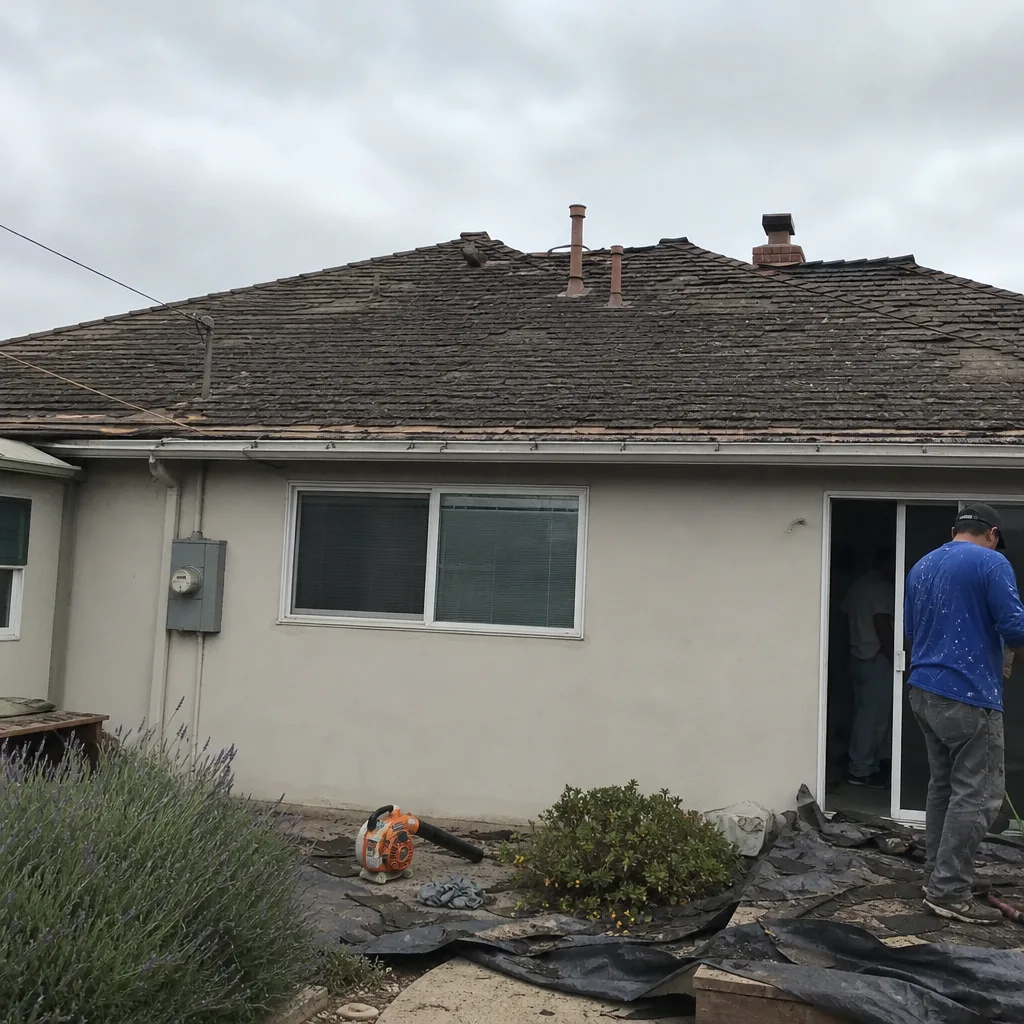 Before
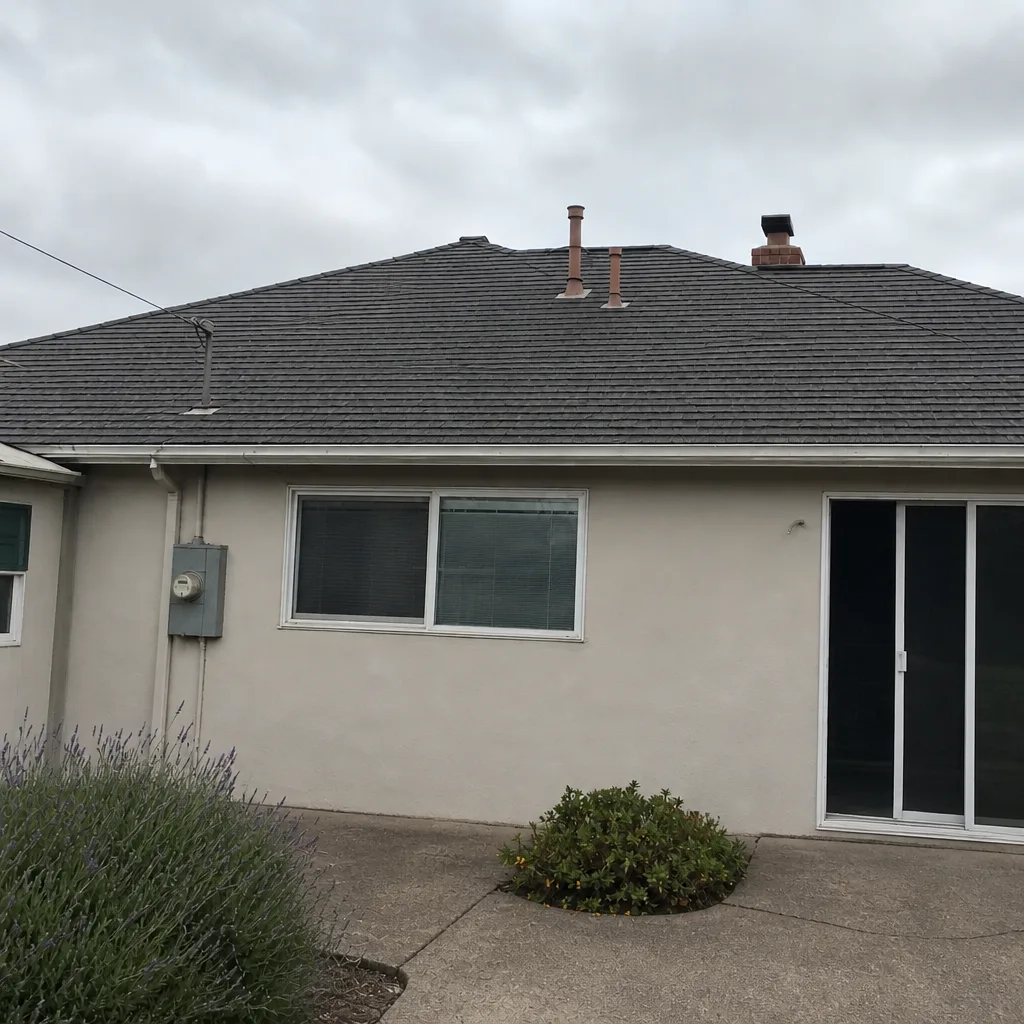 After
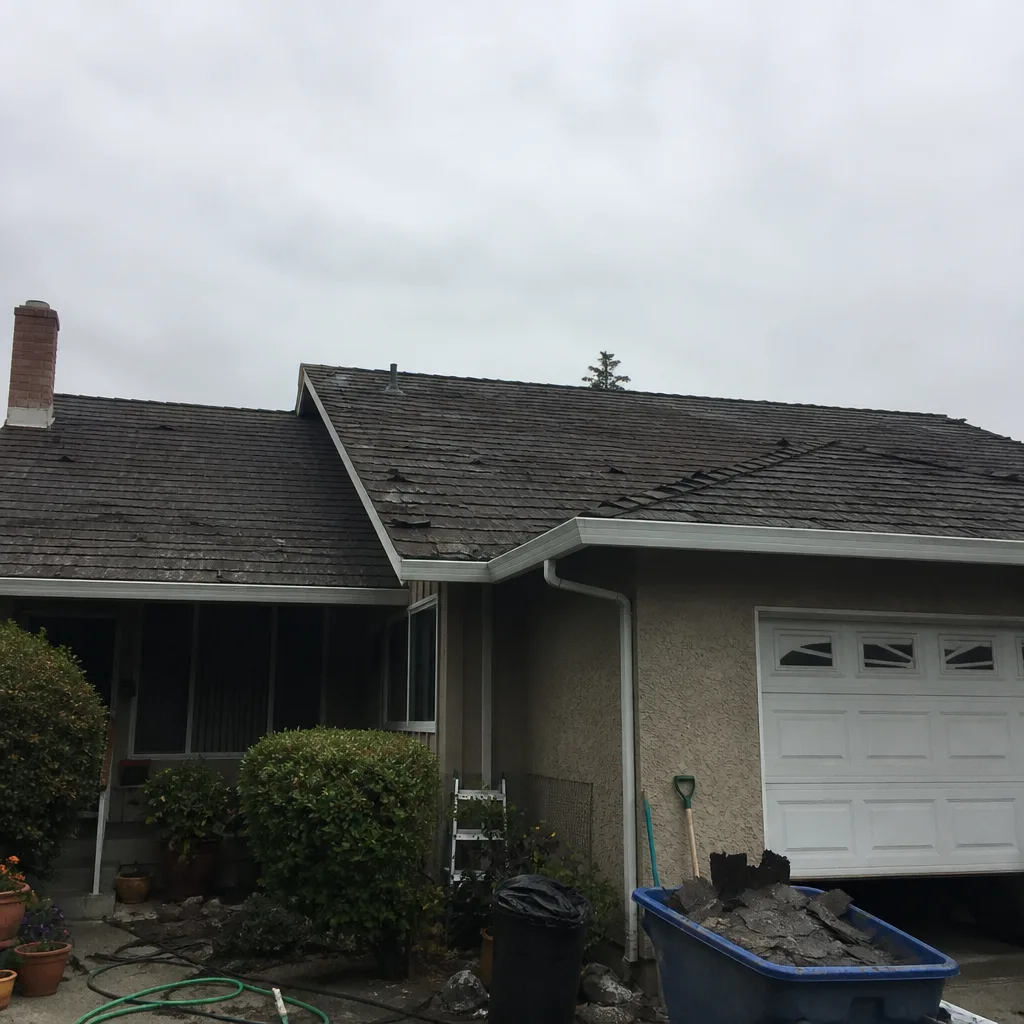 Before
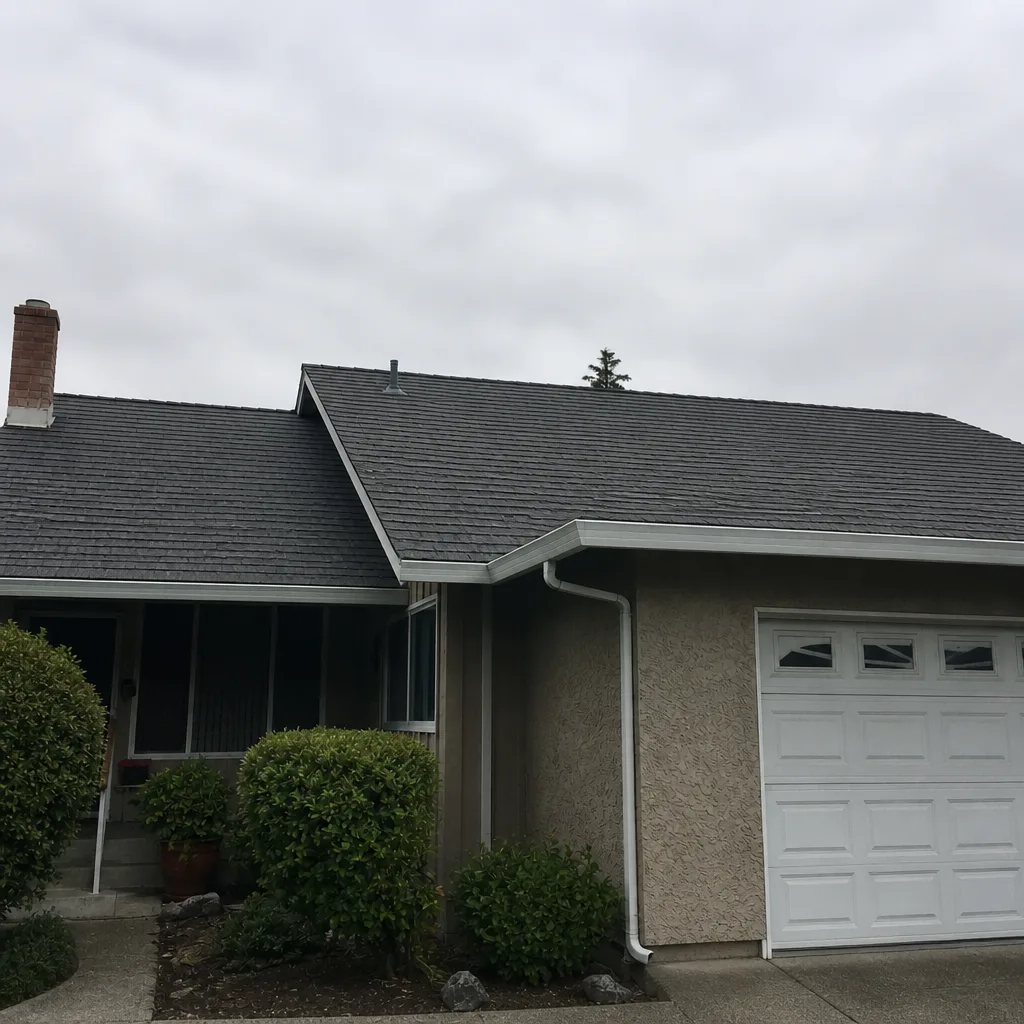 After
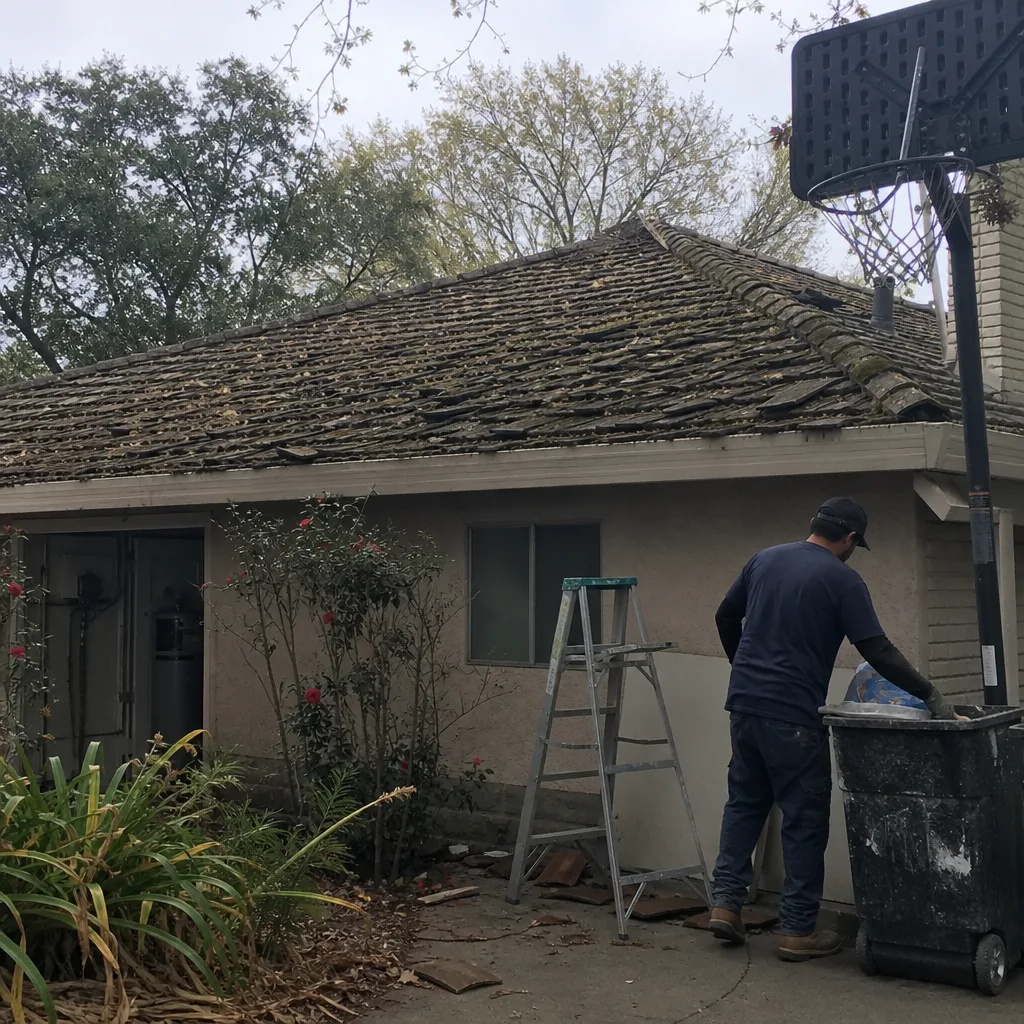 Before
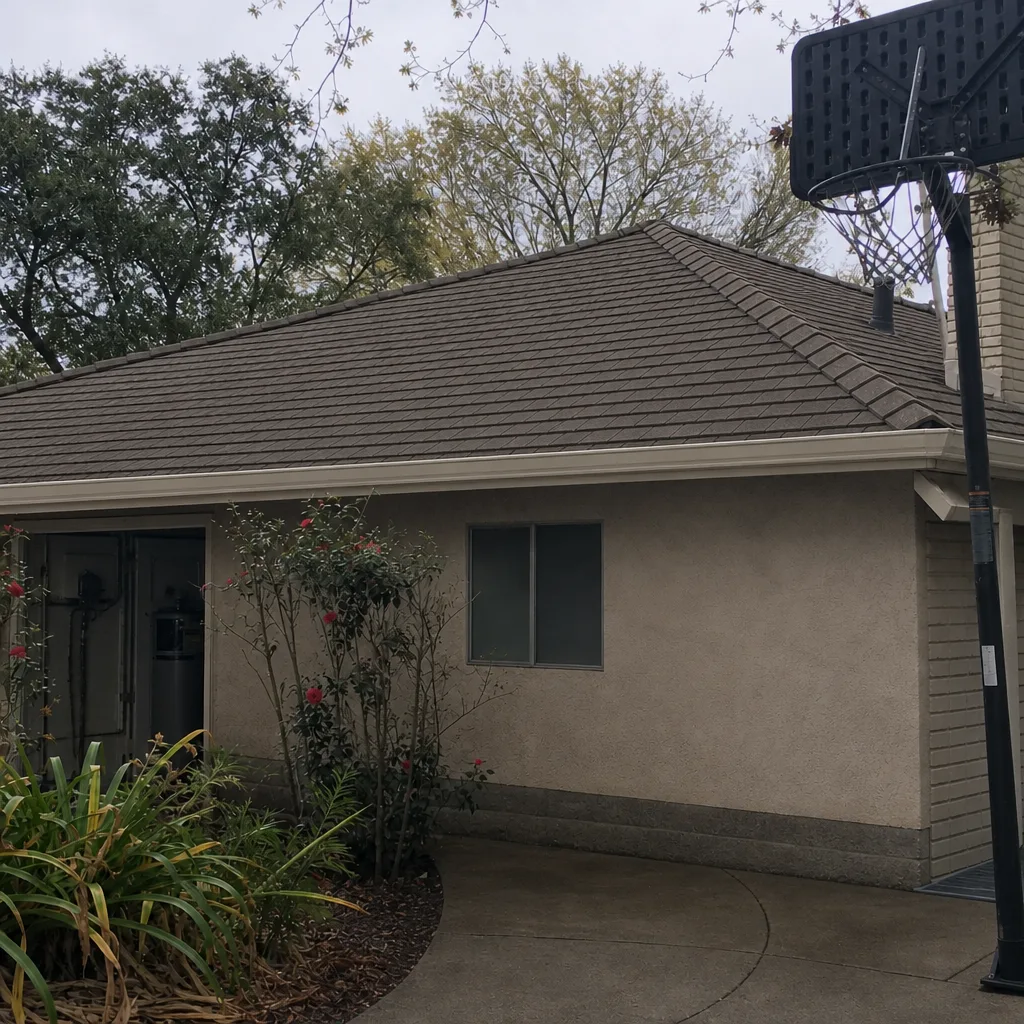 After
When to Call a Professional
Call a professional when you can’t tell whether your project is a repair or a replacement, because that’s the question that decides everything else. Call when a leak has been active long enough that you suspect the deck is involved. Call when you’re buying or selling a Santa Clara home and the roof’s permit history is unclear. Call when your HOA requires a color or material you’re not sure meets the energy requirements. And call when you want a straight assessment of what’s on your roof before you spend money on anything else. A standalone inspection gives you answers without a scope attached to them, and we’d rather you have that than an automatic replacement quote. Sunstone Roof Repair offers free estimates in Santa Clara: call (855) 473-8840. We answer 24/7. Fast dispatch from 7am to 7pm, Sunday through Friday.
Frequently Asked Questions
Yes. A full reroof, any tear-off, and any overlay that replaces the roof covering system requires a permit. Because the roof is part of the building envelope, the work also has to meet California’s energy code for the material being installed. Call (855) 473-8840 for an exact quote on your project: estimates are free.
Generally no, as long as the repair only replaces damaged surface material and the underlayment and deck stay intact. Once a repair involves cutting into the sheathing or replacing a large section of the covering, it usually becomes permitted work. Call us to confirm the scope before you file anything.
Title 24 sets a reflective requirement for roofing material, which means lighter and rated products generally meet it more easily than dark ones. In practice, the color and product line you pick can decide whether the job passes inspection, so the requirement has to be checked during selection, not after. Call (855) 473-8840 and we’ll talk through which options fit your HOA color and the code at the same time.
A permitted re-roof is inspected at three stages: deck after tear-off, underlayment and flashing before covering, and final after installation. Each stage has to pass before the next proceeds, and the final sign-off gives you a record that the work was done to scope. Call us for a free estimate on a scoped, permitted project.
You can, but the unpermitted work will likely come up in the title search or disclosure, and a buyer’s lender may raise it as a condition. The better path is to resolve it beforehand: inspect the roof, check the permit history, and talk to the building department about the options. Call (855) 473-8840 for an inspection and a written assessment.
Not if the roof was properly inspected before the quote. The written, line-item estimate sets the final price, and the one legitimate addition on a permitted job is deck repair that the inspection finds after tear-off, which can’t always be seen beforehand. Call (855) 473-8840 for a free estimate with a written scope.
How long does a permitted re-roof take in Santa Clara?
The installation itself is usually the shorter part; the inspection stages and permit review are what stretch the timeline. Build slack into any deadline that depends on final sign-off, especially if an HOA review is running at the same time. Call us and we’ll walk through the sequence for your specific roof.
In many Santa Clara communities, yes. The HOA CC&Rs typically govern color, material, and visible changes, while the city governs the envelope and energy requirements. Both can usually run in parallel, and doing them together is the fastest path.
The Bottom Line
Santa Clara’s roofing permit rules aren’t arbitrary, they follow the building envelope. Anything that replaces or opens the covering system needs a permit and inspection. Surface repairs that leave the underlayment and deck alone generally don’t. Along the way, the energy code shapes your material choice, the HOA adds a second approval layer, and a permitted job gives you a record that an unpermitted one never will. If you take one thing from this guide, take the order of operations: inspect first, then scope, then permit, then material. Call (855) 473-8840 for a free estimate and a written quote.
Written by the team at Sunstone Roof Repair.