
Last updated November 14, 2026
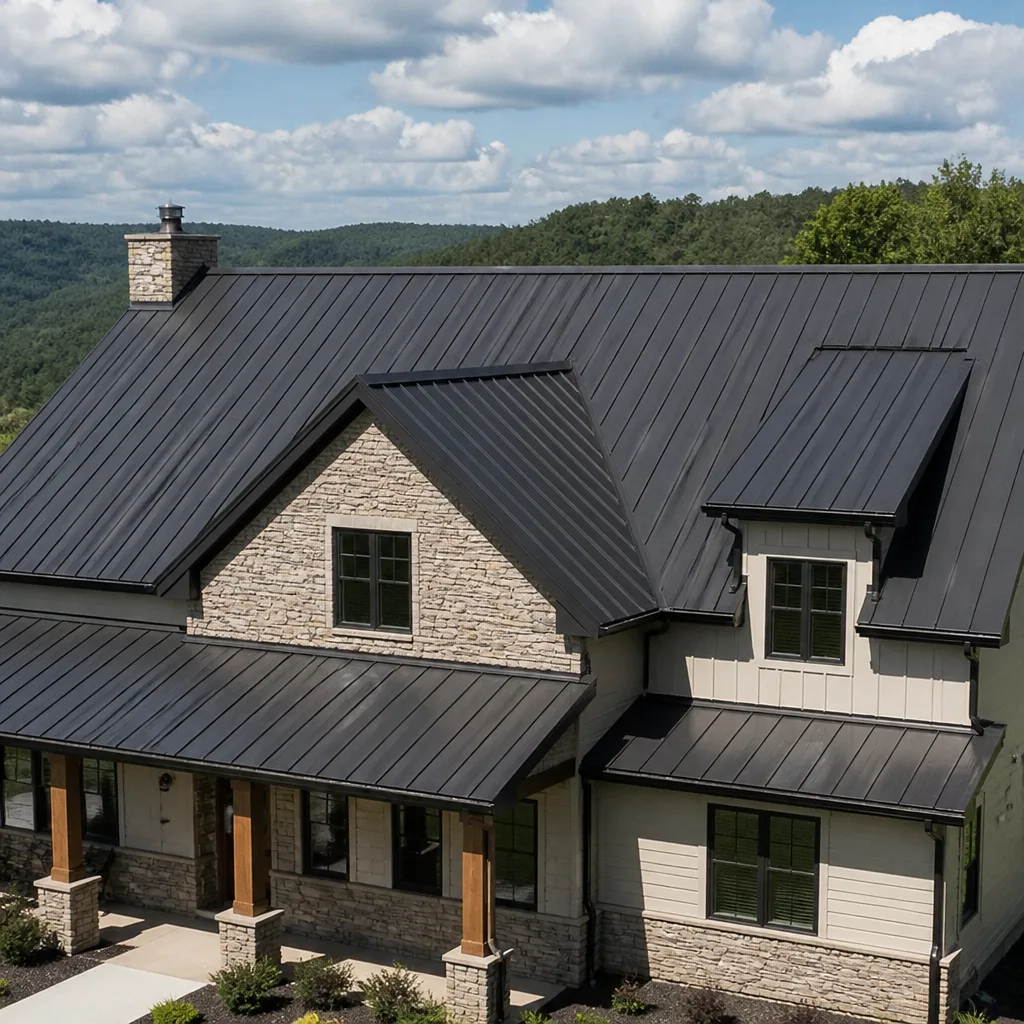 Metal roofing
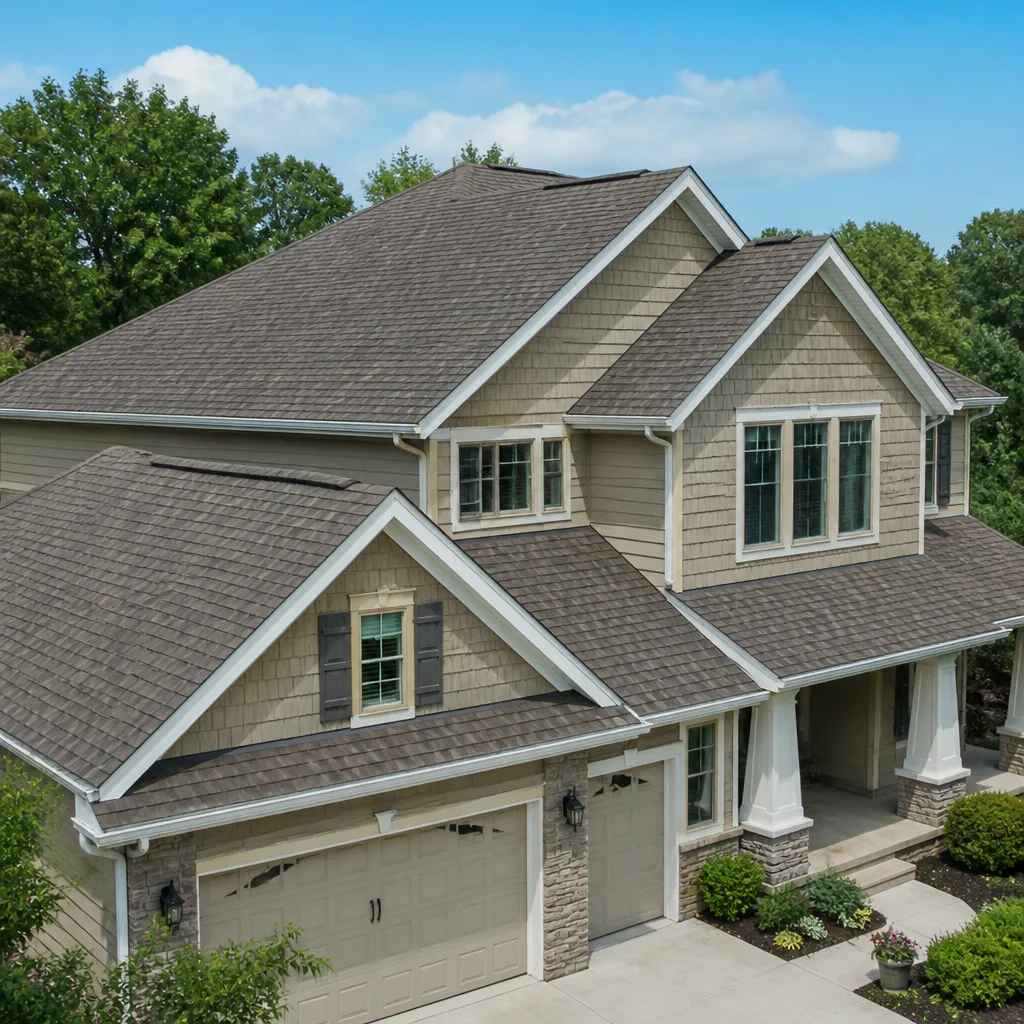 Architectural shingles
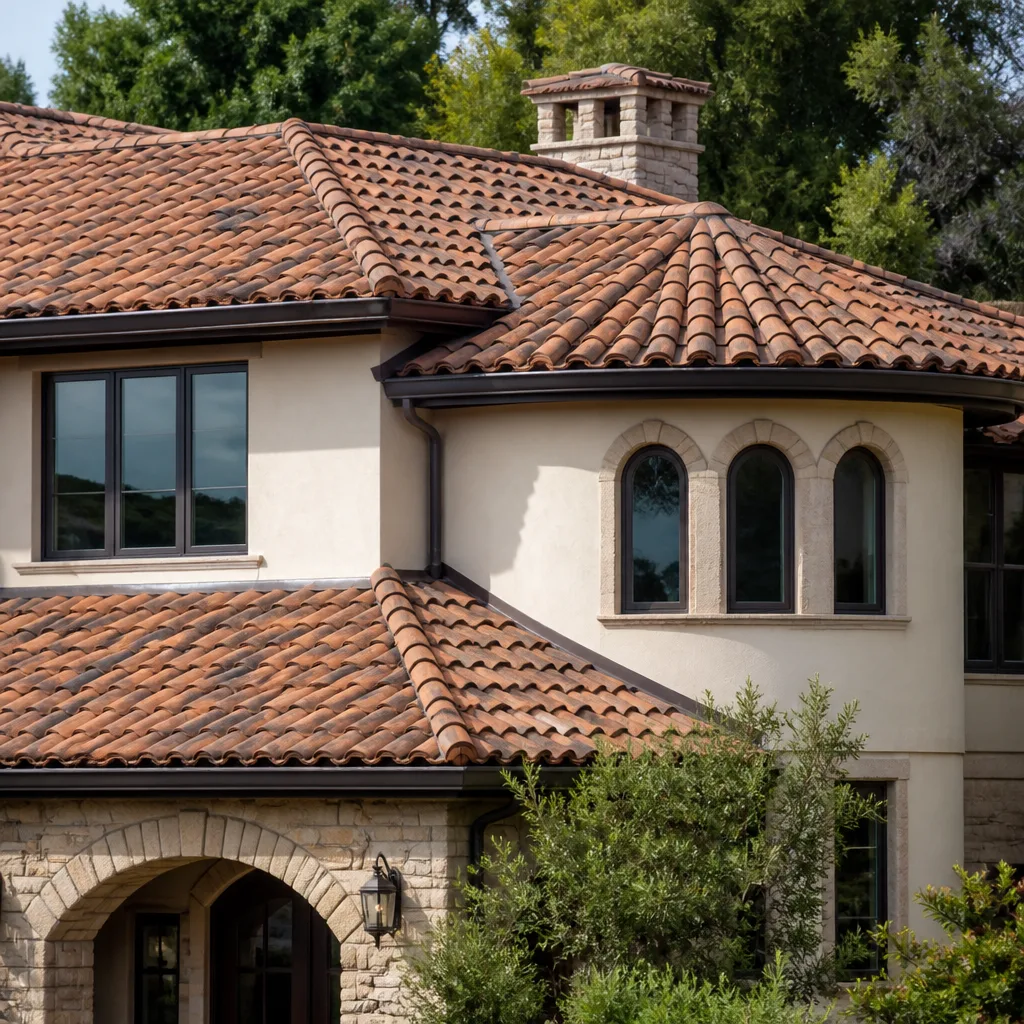 Tile roofing
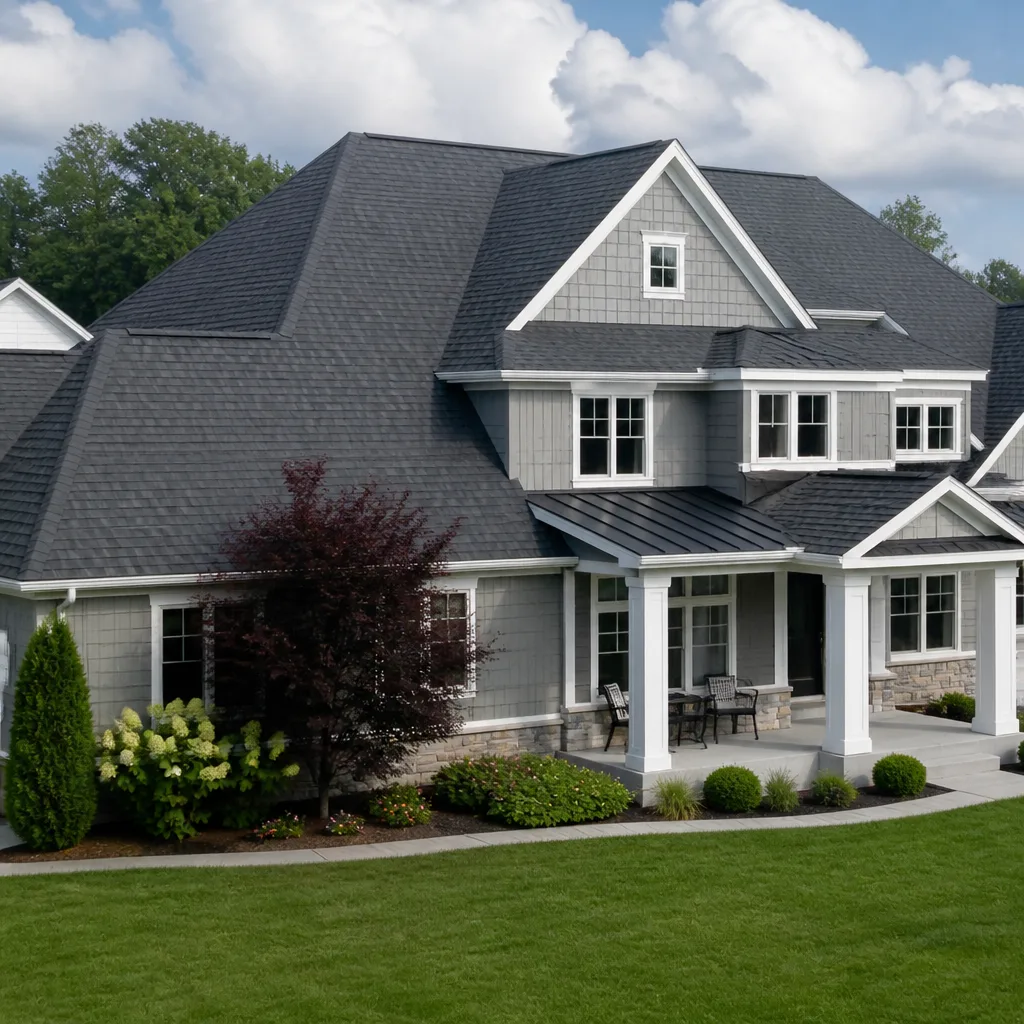 GAF
 Owens Corning
 Flat & low-slope
Free roof inspection with deck photos before we talk money - GAF and Owens Corning certified installation
Choosing the Right Roofing Brand: A Buyer’s Guide for Santa Clara
Every major shingle manufacturer makes a “lifetime” shingle. But the warranty backing that claim varies widely – from a simple material replacement guarantee to a full system warranty covering labor, tear-off, and consequential damage – and most homeowners never know which one they bought. The brand decision usually gets handed to the contractor, which means you get whatever product serves the contractor’s margin, not your roof. This guide changes that. We’ll walk through what brand tiers actually mean in Santa Clara’s climate, how manufacturer certification works, and the exact questions to ask before you sign.
Quick Answer
The right roofing brand for a Santa Clara home is the one whose certified contractor can show you a system warranty that covers labor and tear-off, not just materials – and whose product line matches your roof’s UV exposure, not just its price tag. In practice, GAF, CertainTeed, and Owens Corning offer the deepest contractor certification programs and the strongest system warranties, while IKO, Atlas, and Tamko provide solid value-tier options. The brand matters less than the tier within it and the certification level of the crew installing it.
Styles & brands we work with
- Architectural shingles
- Metal roofing
- Tile roofing
- GAF
- Owens Corning
- Flat & low-slope
Table of Contents
- The Three Major Manufacturer Families: What Certification Actually Means
- How Santa Clara’s Climate Should Shape Your Choice Within a Brand
- Class 4 Impact Resistance and Class A Fire Rating: What They Mean in Practice
- Standard Limited Warranty vs. Enhanced System Warranty
- How to Verify a Contractor’s Manufacturer Certification
- Value, Mid-Range, and Premium Tiers: Where the Money Goes
- Ten Questions to Ask Before You Commit to a Brand
The Three Major Manufacturer Families: What Certification Actually Means
GAF, Owens Corning, and CertainTeed each run contractor certification programs, and those programs are not marketing badges. They commit the contractor to specific installation practices – nail placement patterns, underlayment requirements, ventilation minimums, and in some cases manufacturer-led or manufacturer-approved training. The certification is the mechanism by which a homeowner qualifies for an enhanced warranty rather than a standard one.
Here’s the practical distinction. A contractor who buys GAF shingles without being a certified installer can still install a GAF roof. But that roof gets the manufacturer’s standard limited warranty, typically material-only, prorated over time, and non-transferable in many cases. A certified contractor following the manufacturer’s installation specification can register the same roof for a system warranty that includes labor and, in some programs, tear-off and disposal.
What different certification tiers require varies by manufacturer. The top tier at GAF, CertainTeed, and Owens Corning generally requires:
- Documented installation history – a certain number of completed roofs over a set period
- Ongoing training or re-certification requirements
- Agreement to install to the manufacturer’s written specification on every warranted job
- Maintained insurance and licensing in good standing
- Compliance with the manufacturer’s dispute resolution process if a claim arises
We work with GAF, CertainTeed, Owens Corning, IKO, Atlas, Tamko, and Boral, which means we can walk a Santa Clara homeowner through the certification tiers of each and show what they actually protect against. That’s not the same as being locked into one brand’s program – it’s the opposite. It means we can match the tier of certification you need to the product tier that fits your roof.
How Santa Clara’s Climate Should Shape Your Choice Within a Brand
Santa Clara sits in a warm inland valley with high summer UV exposure and significant day-to-night temperature swings. The roof surface can hit temperatures that are meaningfully hotter than the ambient air, then cool sharply after sunset. That cycle – repeated thousands of times over a roof’s life – is what ages asphalt shingles faster than anything else. It’s also why the shingle tier you pick within a brand matters more than the brand name alone.
What this means practically:
- Higher asphalt content and thicker mats handle thermal cycling better. Value-tier shingles from premium brands often use thinner mats than mid-tier products from the same manufacturer.
- Cool-roof granules and reflective coatings reduce surface temperature and can lower attic heat load. Many manufacturer lines include a cool-rated product in their mid and premium tiers – worth asking about specifically in Santa Clara, where summer sun is relentless.
- Granule adhesion matters more here than in cooler climates. Shedding granules is an early sign the shingle is failing, and some premium-tier products hold up better on that metric than their value-tier counterparts from the same manufacturer.
- Underlayment and ventilation matter as much as the shingle. A premium shingle over inadequate ventilation still fails early. Santa Clara’s heat means ventilation is not optional.
Here’s the counterintuitive part: a mid-grade shingle from a premium manufacturer whose certified contractor installs a full system – shingle, underlayment, ventilation, and starter strip – will usually outperform a premium shingle from a value line installed piecemeal. The brand on the wrapper does not protect your roof. The system around it does.
If your existing roof is aging but not failing, a roof inspection can tell you which sections are actually compromised before you commit to a full replacement. That’s one reason we offer inspection as a standalone service in Santa Clara. An inspection should give you answers, not a sales pitch.
Class 4 Impact Resistance and Class A Fire Rating: What They Mean in Practice
You’ll see these ratings on almost every shingle spec sheet, and they get conflated. They measure different things and they carry different practical weight for a Santa Clara homeowner.
Class A fire rating is the baseline rating for most asphalt shingles sold today. It means the roof assembly resists external fire exposure for a set period under standard test conditions. Nearly every shingle from GAF, CertainTeed, Owens Corning, IKO, Atlas, and Tamko meets it. If a product doesn’t carry Class A, ask why – it’s an outlier, not a differentiator.
Class 4 impact resistance is a higher bar. It means the shingle survived a standardized impact test – typically a steel ball dropped from a set height – without cracking through the mat. In areas where hail is common, Class 4 products are the standard. In Santa Clara, hail is uncommon. That doesn’t make Class 4 useless, but it changes why you’d choose it.
What Class 4 actually gets you in Santa Clara County:
- Resistance to accidental impacts – falling tree limbs, debris during the dry season, ladder drops during maintenance
- A more tightly engineered mat – manufacturers often build Class 4 products with reinforced mats and thicker construction, which also helps with thermal cycling performance
- Potential insurance consideration – some carriers offer premium adjustments for Class 4 roofs, though whether yours does is a question for your insurer, not your roofer
We tell Santa Clara homeowners the same thing every time: if you’re already paying for a premium tier, choosing a Class 4 product within it is a reasonable upgrade. If you’re looking at value tier to keep budget in check, Class 4 is a “nice to have,” not a “must have.” Ask your insurance carrier whether it adjusts premiums for Class 4 before you use that as a deciding factor – we can’t promise a carrier will, and we don’t want you choosing a product on a benefit you won’t get.
Standard Limited Warranty vs. Enhanced System Warranty
This is where most of the brand decision gets made, whether homeowners realize it or not. The standard limited warranty on a shingle covers the material. It typically prorates over time, meaning the manufacturer’s payout declines every year. Labor, tear-off, disposal, and any consequential damage to the interior of your home are not included. If the shingle fails in year twelve, you get a prorated credit toward new shingles – and you still pay the full labor bill.
An enhanced system warranty works differently. It’s offered through the manufacturer’s certified contractor program, and it covers the installation, not just the product. Depending on the program and the tier, it can include:
- Material replacement at full value (non-prorated) for a defined period
- Labor and tear-off covered for the same period
- Coverage of interior damage caused by a defect in the roofing system
- Transferability to a new owner if you sell your Santa Clara home
What triggers the enhanced warranty? It’s not the product. It’s the contractor’s certification status at the time of installation, combined with the contractor registering the roof with the manufacturer after completion. If your contractor isn’t certified, or fails to register, you don’t qualify – even if the shingles on your roof are top-tier.
What’s excluded from both warranty types:
- Damage from foot traffic, falling limbs, or debris impact
- Failures traced to improper attic ventilation (which is why we insist on evaluating ventilation on every replacement)
- Ponding water or drainage failures traced to the roof deck design rather than the shingle
- Algae or biological growth, unless the shingle includes a manufacturer’s specific algae-resistance warranty
If your current roof is still under a warranty and you’re considering roof repair, ask your contractor to document the repair so it doesn’t void what coverage you have. We can work with your insurer and help you understand what your existing warranty does and doesn’t cover.
How to Verify a Contractor’s Manufacturer Certification
A contractor saying “we’re GAF certified” or “we’re a CertainTeed SELECT ShingleMaster” isn’t verification. Certification programs have tier structures, and a contractor can be at a lower tier without that distinction ever coming up in a sales conversation. Ask for proof. A legitimate contractor will show you the manufacturer’s public contractor locator page with their business listed, or a certification letter from the manufacturer with a date and tier.
The steps to take:
- Ask which tier and program specifically. “Are you a GAF Master Elite contractor or a GAF Certified contractor?” – the tier matters because enhanced warranties are tied to it.
- Search the manufacturer’s online contractor locator yourself. Each of the major manufacturers maintains a public tool where you can enter a zip code and see certified contractors listed by name.
- Ask what the certification obligates them to do during installation. The answer should reference the manufacturer’s written specification – nail patterns, underlayment, starter strip, ridge vent – not vague descriptions.
- Ask whether the certification is current. Programs require re-certification; ask for the current year’s document, not a certificate from five years ago.
- Ask what happens if the installer skips a step. A certified contractor should’ve agreed to the manufacturer’s installation specification as a condition of certification.
Sunstone Roof Repair works with GAF, CertainTeed, Owens Corning, IKO, Atlas, Tamko, and Boral. We’ll show you exactly which certifications we hold and what each one obligates us to on your Santa Clara roof. That’s how the brand decision should be handled – not through a brochure, but through a documented chain of accountability that runs from the shingle on your roof back to the manufacturer that backs it.
Value, Mid-Range, and Premium Tiers: Where the Money Goes
Every major brand sells three broad tiers, and the difference between the top of one tier and the bottom of the next is often smaller than the marketing suggests. Here’s where the extra money in a premium tier actually goes.
The cost of a shingle is driven by three things: the weight of the mat (measured in grams per square), the thickness of the asphalt layer, and the grade of granules used on the surface. Value-tier products shave weight off the mat and use standard granules. Mid-tier products thicken the mat and add longer-warranty granules. Premium-tier products combine a thicker mat, a heavier asphalt coat, and often a design detail (dimensional profile, larger exposure) that affects appearance as much as performance.
What that means for a Santa Clara roof:
- Value tier (typical of IKO and Tamko’s lower lines) is a legitimate choice if you’re on a tight budget and the roof is protected by good underlayment and ventilation. Expect a shorter service life under the same UV load.
- Mid tier is where most Santa Clara homes land. Manufacturers build their best value here – significantly better thermal performance than value tier at a modest cost step up.
- Premium tier adds lifespan and appearance – and in some brand lines, better impact resistance or cool-roof granules. Worth it if the roof is a visible feature of the house or if you plan to live there long enough that service life matters more than the initial cost.
The mistake we see most often isn’t choosing a value tier. It’s choosing a premium shingle from a value manufacturer while skipping the underlayment and ventilation upgrades that make the shingle’s warranty valid. A roof replacement is a system, and the shingle is one part of it.
Ten Questions to Ask Before You Commit to a Brand
This is the checklist to run through with any contractor before the shingle brand gets decided – it should force the brand conversation into the open.
- Which brands do you hold current contractor certifications for, and at which tier?
- Which warranty tier applies to my roof under each product option you’re proposing?
- Does the warranty cover labor and tear-off, or just materials?
- Is the warranty transferable if I sell, and what’s the registration deadline?
- What ventilation and underlayment does your warranty specify?
- Does the product come in a cool-roof rated version, and what’s the cost difference?
- Is Class 4 impact resistance available in this line?
- What’s not covered under this warranty that I should plan to maintain myself?
- If a defect occurs in year twelve, what will I actually pay out of pocket?
- Can you show me a copy of the manufacturer’s written installation specification for this product?
If your contractor can’t answer all ten without flipping through a brochure, you’re talking to someone who hasn’t done the brand homework either. In Santa Clara we’d rather you ask all ten and pick the contractor who answers them clearly. Roofing works when the whole system is specified, and the brand is only as good as the system around it. Call (855) 473-8840 to walk through these questions with us before you decide – the estimate is free and the answers are specific.
Common Mistakes to Avoid
- Choosing the brand based on the wrapper, not the tier. A premium shingle from a value line with a standard limited warranty protects you less than a mid-tier shingle from a premium line installed under a system warranty.
- Assuming “lifetime warranty” means the roof is paid for. “Lifetime” usually refers to the shingle’s rated lifespan – and the standard warranty on it prorates. Ask for the labor and tear-off coverage before you assume.
- Not verifying the contractor’s certification tier. Enhanced system warranties are tied to the certification level. If your contractor can’t show a current certificate, you don’t qualify – and you won’t know until you try to make a claim.
- Picking a shingle for a hail rating in a valley that doesn’t get hail. Class 4 impact resistance is a reasonable upgrade but shouldn’t be a deciding factor in Santa Clara. Cool-roof granules are far more valuable here.
- Skipping the ventilation evaluation. Santa Clara’s summer heat means attic ventilation matters as much as the shingle. Warranties void when ventilation is below specification – and no manufacturer’s spec gets met without a proper inspection first.
- Skipping the inspection because you’re already committed to replacement. A standalone inspection costs less than a replacement you didn’t need and gives you a documented baseline for warranty claims later. An honest assessment before the sale is the right way to start.
- Letting the contractor pick the brand and then not asking what tier they registered. Registration is what triggers the enhanced warranty. Ask for the confirmation number and the manufacturer’s acknowledgement before the final payment.
See the difference
 Before
 After
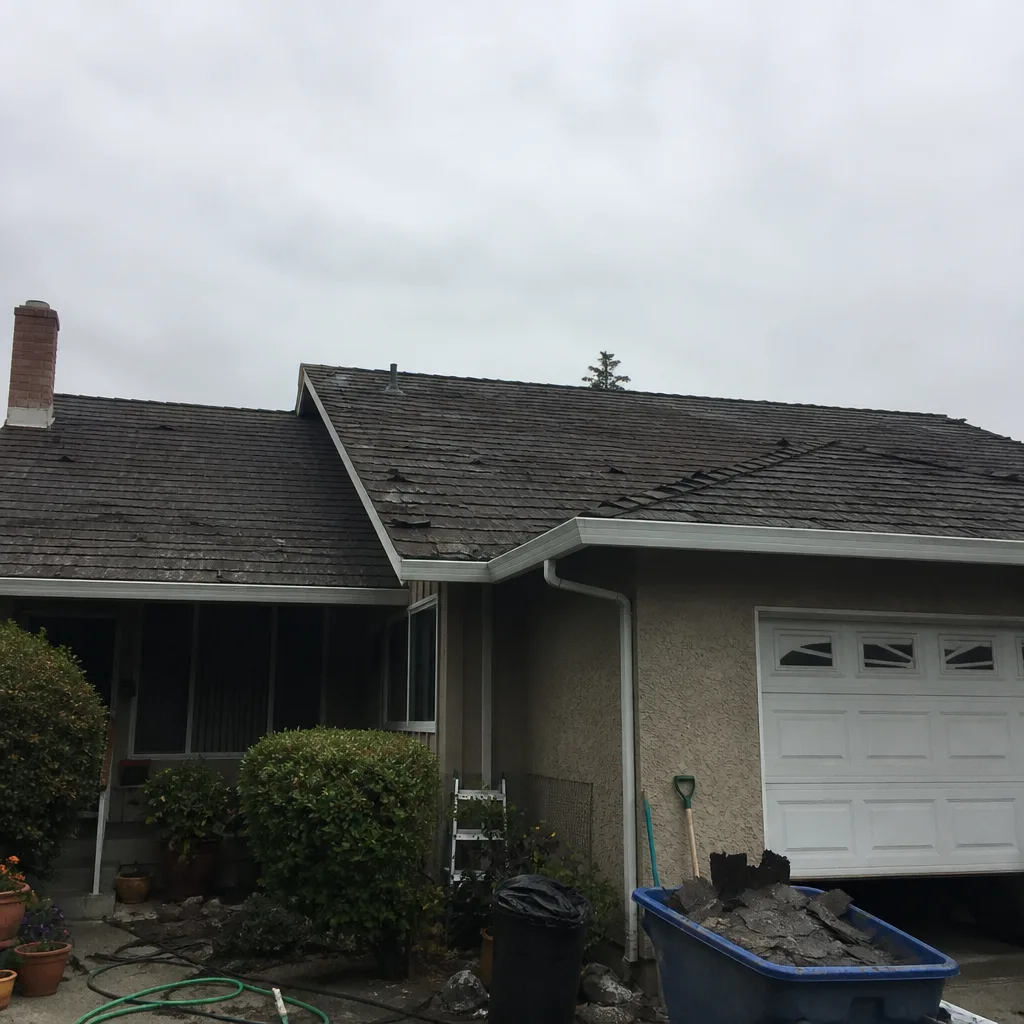 Before
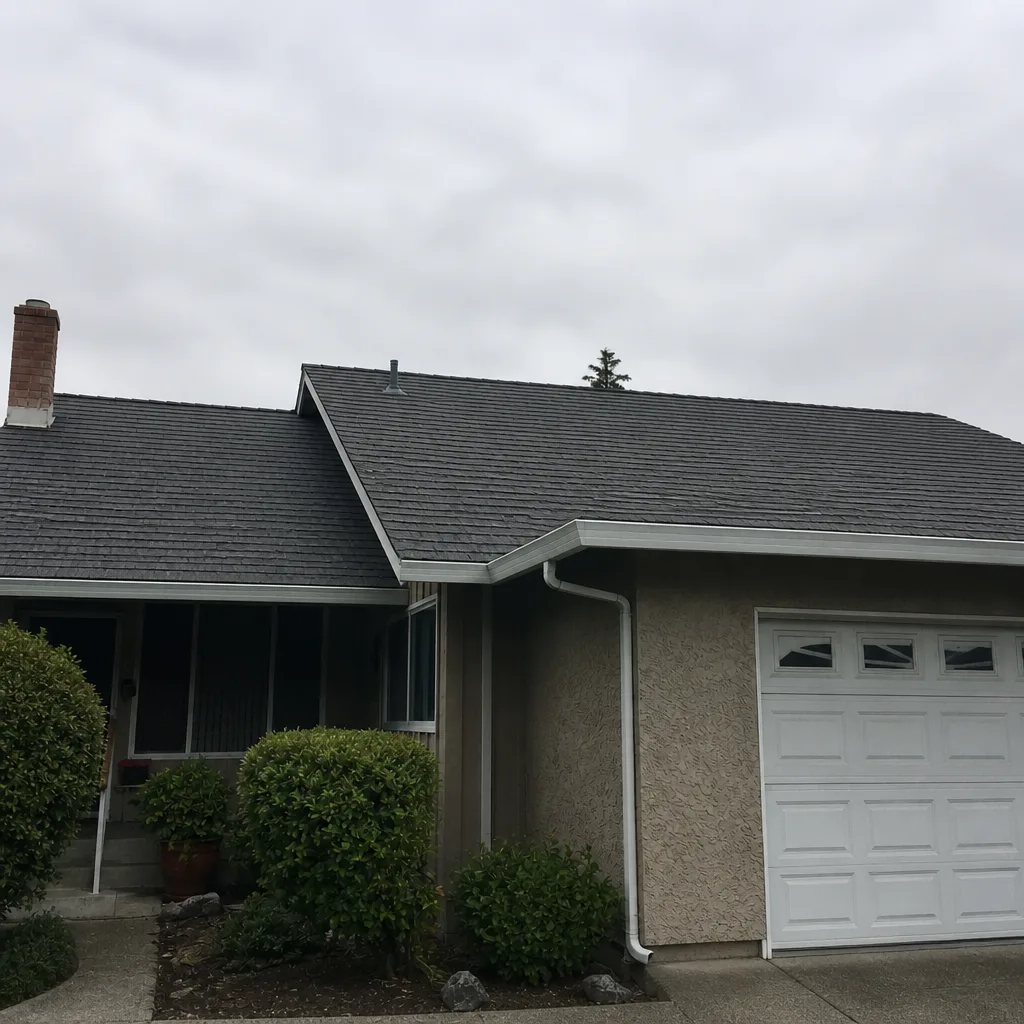 After
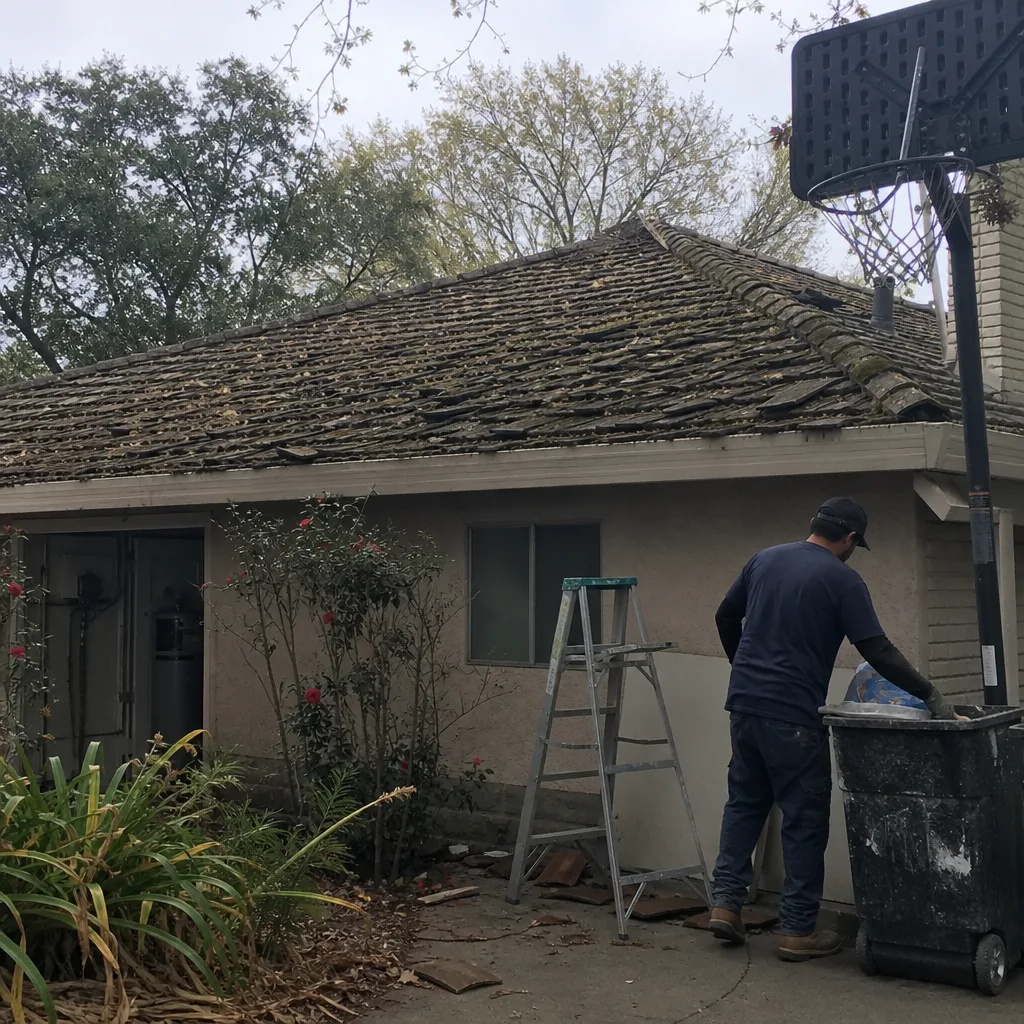 Before
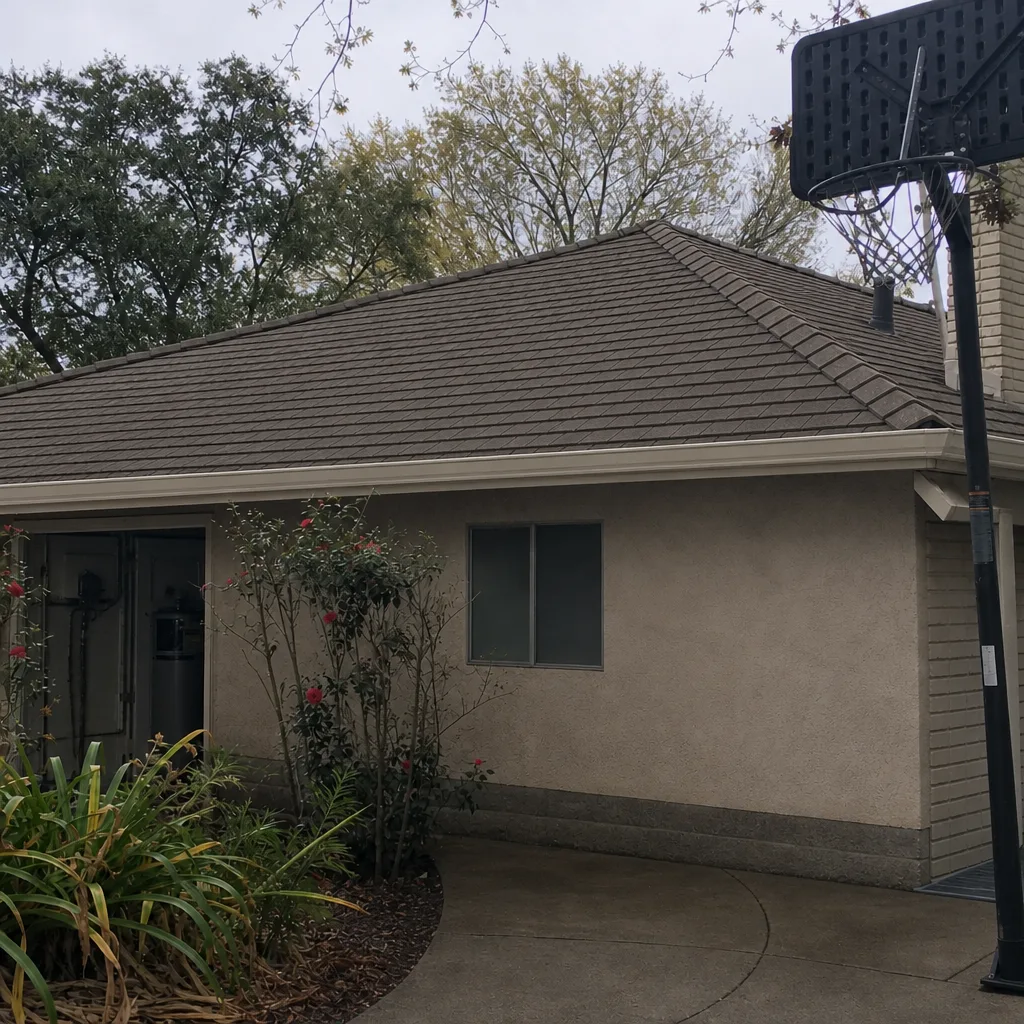 After
When to Call a Professional
If your roof has visible damage – missing shingles, exposed nails, cracked or lifted field shingles – call for an assessment before a leak develops. If your ceiling has developed a stain or you’ve noticed daylight in the attic, you’re past the point where a question exists about whether to call. If your shingles are older and you’re beginning to see granule loss in the gutters or on the ground near downspouts, a professional inspection tells you how much life is left without committing you to replacement. Sunstone Roof Repair offers free estimates in Santa Clara – call (855) 473-8840. We answer 24/7. Fast dispatch from 7am to 7pm, Sunday through Friday. We can help you understand what your roof actually needs before you choose a brand, a product tier, or a contractor.
Frequently Asked Questions
GAF, CertainTeed, and Owens Corning are the three brands with the deepest contractor certification programs and the strongest enhanced warranty tiers, which makes them a sound default choice for Santa Clara homes. But “best” depends on the certification level of the installer and the tier of product within the line. A mid-tier CertainTeed installed by a certified contractor under a system warranty outperforms a high-end product installed without one. Call (855) 473-8840 for an exact quote – estimates are free.
A full roof replacement in Santa Clara is priced per job based on the roof’s size, pitch, current layers, ventilation, and product tier. We don’t quote ranges without seeing the roof because the variables swing the estimate widely. The written, line-item estimate sets the final price, and it’s free. Call (855) 473-8840 to schedule.
No. Our written estimate sets the price, and we don’t issue change orders once work starts unless you approve an addition to scope in writing. If we open the roof and find rot in the decking, we’ll stop and show you – the price change is your decision, not a surprise on the invoice. Call (855) 473-8840 for a written estimate.
Yes. Most cities require a permit for a full roof replacement and an inspection when the work is done, and Santa Clara is no exception – we ask your city’s building department about the current requirement on every job so the scope is correct. We pull the permits and see the inspections through. Call (855) 473-8840 to schedule your estimate.
A standard limited warranty covers the shingle material, prorated, and does not cover labor or tear-off. An enhanced system warranty – offered through the manufacturer’s certified contractor program – covers material at full value plus labor, tear-off, and sometimes interior damage, for a defined period. The trigger is the contractor’s certification tier at the time of installation and successful registration. Call (855) 473-8840 for a quote that spells out which warranty applies to your roof.
A typical residential roof replacement on a Santa Clara home takes one to three working days, weather permitting, depending on roof size, pitch, number of layers to tear off, and ventilation work required. Repairs are usually much shorter. We work Sunday through Friday and dispatch from 7am to 7pm. Call (855) 473-8840 to get a scheduling window when you book the estimate.
The Bottom Line
Roofing brands matter, but tier, certification, and system warranty matter more than the name on the wrapper. GAF, CertainTeed, and Owens Corning offer the strongest certification programs and enhanced warranties for Santa Clara homes; IKO, Atlas, Tamko, and Boral fill in the value and specialty options. What protects your roof is the chain that runs from a documented contractor certification through a system installed to spec, registered with the manufacturer, and backed by a warranty that covers labor and tear-off – not just materials. Ask for proof of certification, ask which warranty tier applies, and ask whether the shingle is a cool-roof product. Those three answers tell you more than any brand comparison chart. If you’re not sure what your roof actually needs, start with a Santa Clara inspection before you commit to a brand.
Call (855) 473-8840 for a free estimate. We answer 24/7. Fast dispatch from 7am to 7pm, Sunday through Friday. We’ll tell you exactly what your roof needs – repair, replacement, or nothing at all.
Written by the team at Sunstone Roof Repair.