
Last updated November 14, 2026
 Metal roofing
 Architectural shingles
 Tile roofing
 GAF
 Owens Corning
 Flat & low-slope
Free roof inspection with deck photos before we talk money - GAF and Owens Corning certified installation
Roofing Warning Signs: A Santa Clara Homeowner’s Reference Guide
By the time you see a water stain on your ceiling, the roof has typically been leaking for weeks. The signs that would have flagged it earlier were on the exterior and in the attic, in places most homeowners never look. That’s the frustrating part about roof damage: the visible symptom is almost always the last thing to appear, not the first. This guide is built around the earlier, subtler indicators you can actually catch at home, organized by where on the building you’re looking. By the end, you’ll know which warning signs in Santa Clara are worth monitoring, which are worth scheduling, and which need a call this week.
Quick Answer
The earliest roofing warning signs in Santa Clara usually show up on the exterior and in the attic long before anything appears on a ceiling: lifted or separated flashing at walls and chimneys, granule buildup in gutters, sagging along the ridge line, and musty attic odor or matted insulation. Cosmetic aging like surface oxidation or light granule wear is normal and can be monitored, while sagging, delamination, and flashing separation are structural signals that call for a professional inspection. When you see the structural signs, get an assessment before the next rainy season rather than waiting for interior damage.
Styles & brands we work with
- Architectural shingles
- Metal roofing
- Tile roofing
- GAF
- Owens Corning
- Flat & low-slope
Table of Contents
- A Location-by-Location Framework for Roof Warning Signs
- The Exterior Field: What Shingle Surface Changes Tell You
- The Ridge Line: Reading Sag and Structural Movement
- The Eaves: Where Water Starts Its Trouble
- Flashings: The Most Common Leak Point on Any Roof
- Gutters as a Diagnostic Tool: Granules, Fragments, and Algae
- Attic Warning Signs Beyond Ceiling Stains
- Cosmetic Aging vs. Structural Warning Signs
- A 1-3 Urgency Rating for Every Warning Sign
- Common Mistakes to Avoid
- When to Call a Professional
- Frequently Asked Questions
A Location-by-Location Framework for Roof Warning Signs
Most warning-sign lists treat a roof as one surface. It isn’t. A roof is a set of zones, and each zone fails in its own way and at its own pace. Learning to look at each zone separately is how you catch a small issue before it becomes a structural one, and it’s how a real inspection actually works.
Here are the six zones we tell Santa Clara homeowners to think about, in the order they usually start talking:
- Exterior field – the broad shingle planes. Tells you about age, wear, and surface condition.
- Ridge line – the top edge and hip lines. Tells you about structural movement and deck condition.
- Eaves – the lower edges and overhangs. Tells you about water shedding and edge detail.
- Flashings – where the roof meets walls, chimneys, vents, and valleys. Tells you about the seals that keep water out.
- Gutters – the collection system. Tells you what the roof is shedding, which is a diagnostic all by itself.
- Attic – the underside. Tells you whether water is already getting in, before it reaches your ceiling.
Read together, the zones tell a story. A single lifted shingle on the field is a repair. A lifted shingle on the field plus granules in the gutter plus a musty attic odor is a roof that’s telling you it’s been struggling for a while. Santa Clara’s dry summers and mild, wet winters mean most of the wear on a roof here happens in a compressed window, so catching things in the dry months gives you room to plan rather than react.
The Exterior Field: What Shingle Surface Changes Tell You
The field is the easiest zone to see from the ground (with binoculars) and the easiest to misread. Shingle surfaces change gradually, and not every change means trouble. The key is telling slow chemical aging apart from physical breakdown.
- Surface oxidation – a dull, chalky look on asphalt shingles. This is normal weathering and generally cosmetic.
- Granule wear – light, even loss of the granular surface. Also normal over time; monitor it.
- Bare spots – patches where the asphalt underneath is exposed. These need attention because the shingle has lost its protective layer.
- Curling or clawing – shingle edges lifting and curling. A sign of aging or heat exposure, and a place where wind can start peeling.
- Delamination – the shingle layers separating. This is structural, not cosmetic.
- Blistering or pitting – small raised or pitted spots. Often tied to ventilation problems underneath.
The reason we point out ventilation is that field damage is frequently a symptom, not the disease. A poorly vented attic traps heat, and that heat cooks a roof from below. When a field shows widespread blistering or early curling on a roof that shouldn’t be old, the fix may involve more than re-shingling. On a Santa Clara roof, where summer sun is intense and the attic can get very hot, ventilation is often the quiet culprit. Material choice matters too – the right shingle system for the roof’s pitch and ventilation holds up better than a one-size product, which is why working across GAF, CertainTeed, and Owens Corning product lines gives homeowners real options rather than a single take-it-or-leave-it answer.
The Ridge Line: Reading Sag and Structural Movement
If you only ever look at one zone, make it the ridge. The ridge line is where the roof’s structure shows itself, and a sag or a dip here is one of the few warning signs that genuinely deserves a call without waiting.
Stand back from the house and sight along the ridge. It should read as a straight or deliberately curved line. A low spot, a wavy stretch, or a section that dips toward the middle is telling you something underneath has moved – a compromised rafter, decking that has taken on water, or a load issue. Run your eye along the hip lines too; they should be crisp. Rutted or wavy hips mean the framing near them is no longer doing its job.
Ridge-line warning signs also show up in the ridge cap itself, the strip of shingles or tile along the very top. Cap shingles that are cracked, missing, or pulled away expose the ridge joint to water. Because the ridge is the highest and most wind-exposed part of the roof, cap failure tends to be the first surface failure and the last one people notice.
What makes the ridge line so useful as a diagnostic is that it doesn’t lie to you. Surface wear can be hidden by shadows and life can distract you from the field, but a sagging ridge is visible from the street. If you can see movement there, the time to schedule an inspection is now, not after the next storm. We see this zone catch homeowners off guard in Santa Clara more than any other, because from a distance a wavy ridge can look like an architectural curve until you know what to look for.
The Eaves: Where Water Starts Its Trouble
The eaves are the lowest roof edges, and they’re often the first place water finds a way in. That’s because the eave is where the roof ends and the fascia, gutter, and soffit meet, which means several materials are doing different jobs right next to each other.
Look for:
- Shingle overhang damage – the last course along the eave that’s cracked, brittle, or missing. It takes the brunt of water shedding and wind uplift.
- Drip edge problems – the metal at the edge that directs water into the gutter. Lifting, rust, or separation here sends water behind the gutter and into the fascia.
- Fascia rot or peeling paint – soft wood, paint flaking off, or visible staining along the eave board. This is water where it shouldn’t be.
- Soffit vents blocked or damaged – the venting under the eave. If it’s plugged, the attic can’t breathe, and that ties back to field heat damage.
The eave is also where ice and snow would cause problems in colder climates, but Santa Clara doesn’t get that. Here, the eave’s enemy is wind-driven winter rain and long dry spells that dry out the wood and make it brittle. A brittle eave is a chipped, cracked eave after a windy day, and a chipped eave is water finding a way in.
Flashings: The Most Common Leak Point on Any Roof
If we had to point a Santa Clara homeowner at one place on their roof to check first, it would be the flashings. Flashings are the metal pieces that seal the joints where the roof meets anything else – a sidewall, the chimney, a vent pipe, a skylight, a valley where two roof planes meet. Water doesn’t usually get through a shingle; it gets through the seams.
What flashing warning signs look like:
- Separation – the flashing lifting away from the wall or surface. This is a structural warning sign, not a cosmetic one.
- Rust or corrosion – discolored metal that’s lost its sealing edge.
- Missing or failing caulk and sealant – the bead around the flashing has cracked, shrunk, or pulled away.
- Staining below the flashing – a dark streak or stain on the wall, fascia, or deck below where the flashing meets the roof.
- Lifted shingles around a vent or skylight – the roof material around the penetration no longer lying flat.
Flashing is exactly the kind of detail a general “does my roof need replacing?” glance can miss. It’s also the zone where the difference between cosmetic and structural is most consequential. A little oxidized metal is fine; a flashing that’s separated from the wall is a leak waiting for the first heavy rain. Because a flashing repair integrates new material into an existing roof, it requires matching materials, which is where access to GAF, CertainTeed, Owens Corning, IKO, Atlas, Tamko, and Boral product lines actually matters. A crew that works across all of them can match the repair section to what’s already there instead of forcing a mismatched patch.
Gutters as a Diagnostic Tool: Granules, Fragments, and Algae
Here’s the part most homeowners don’t know: the stuff in your gutters is a report card on the roof. You can learn a lot about a roof’s condition without ever getting on it, just by looking at what it sheds.
When you clean or check a gutter, read the debris:
- A light, even scattering of granules – normal shingle wear. The shingle is aging as it should.
- Heavy granule accumulation – often the first sign a shingle has reached or passed the end of its useful life, or that a section is breaking down faster than the rest.
- Shingle fragments or tabs – pieces of shingle washing off the roof. That’s material failure, not wear.
- Black or green staining – algae growth on the roof or in the water. Very common in the local climate and usually cosmetic, but worth monitoring.
- Loose nails, sealant chunks, or metal bits – often points to a failing flashing or a fastener that has backed out somewhere up the slope.
This is one of the most useful habit changes in this whole guide. Pull on gloves, clear a handful of gutter debris into a bucket, and look at it before it goes into the yard waste. The pattern tells you whether the roof is simply aging or actively shedding material, and that one observation can move a “we’ll get to it” item into “let’s get an inspection.” For Santa Clara homeowners who’d rather not climb a ladder, this is the answer: you don’t have to get on the roof to read the roof. You just have to know how to read the gutter.
Attic Warning Signs Beyond Ceiling Stains
Ceiling stains are the famous warning sign, but they’re the late one. The attic holds earlier signals, and they’re there long before water reaches your living room. The trick is knowing what to look for under the insulation and on the framing.
- Paint bubbling near exterior walls – not just ceiling paint. Bubbling or blistering on interior walls that back onto the roof line is a hint of moisture moving through the attic and into the living space.
- Musty attic odor – a damp, earthy smell when you open the attic hatch. Moisture is present even if it hasn’t stained anything yet.
- Matted insulation – insulation that looks compressed, clumped, or darker in patches. Wet insulation mats down and stays down, which is why it’s such a useful early indicator.
- Dark staining on rafters and sheathing – water marks on the framing from above, even if the ceiling below looks fine.
- Condensation on nails or the underside of the deck – moisture condensing where the roof is warm on the inside and cool outside, a sign the roof is staying damp.
- Daylight or visible gaps – anywhere light shows through the roof deck, or where you can see obvious separation between framing members.
The reason we care about these earlier signs is that water moves slowly. It can travel along a rafter or down the back of a wall before it shows up on a ceiling, which is why the stain is the last thing you see, not the first. In Santa Clara’s climate, the wet season is the time the attic will show these signs most clearly, so a dry-season attic check is worth doing. If anything on that list shows up, an honest inspection will tell you whether you’re looking at a small water entry point or something bigger before the interior tells you for you.
Cosmetic Aging vs. Structural Warning Signs
Getting this distinction right is the difference between over-reacting and under-reacting, and most homeowners land on the wrong side of one or the other. A roof that’s simply aged doesn’t need replacing tomorrow; a roof with structural warning signs doesn’t need to wait.
Cosmetic aging – monitor, schedule in the normal course:
- Chalky or dull shingle surface from oxidation
- Light, even granule loss
- Algae discoloration or dark streaking
- Minor eave paint wear
- Small amounts of loose granules in gutters
Structural warning signs – act without waiting:
- Sagging or dipping along the ridge or hips
- Delamination – shingle layers separating
- Flashing that’s separated from the wall or penetration
- Shingle fragments coming off the roof
- Matted insulation, musty attic odor, or interior paint bubbling
The point of the two lists isn’t to alarm anyone. It’s that a roof has a life cycle, and the job of the homeowner is to know where on that cycle they are, not to fix it all at once. The full-spectrum approach – inspect first, then repair or replace only what’s actually needed – is how a homeowner avoids replacing a roof that has good years left, and avoids putting off a repair that a small piece of structural attention could have handled. When the diagnosis comes first, the money goes where it’s actually needed.
A 1-3 Urgency Rating for Every Warning Sign
Once you’ve read the signs, the next question is always “what do I do about it, and when?” Here’s a simple three-level system to turn a warning sign into an action.
1 – Monitor. Cosmetic aging and slow wear. Make a note, keep an eye out, and check again in a few months. No rush.
- Chalky shingle surface
- Light granule wear
- Algae streaking
- Minor eave paint wear
2 – Schedule an inspection. The sign suggests real wear or early infiltration, and a professional eye will tell you whether it’s a repair or nothing at all.
- Bare spots on the shingle surface
- Curling or clawing shingle edges
- Heavy granule accumulation in gutters
- Blocked or damaged soffit vents
- Suspicious staining below a flashing
3 – Call this week. The sign indicates active structural trouble or an active leak, and waiting invites more damage.
- Ridge or hip sagging
- Shingle delamination
- Flashing separation
- Shingle fragments or material coming off
- Matted insulation, musty attic odor, or paint bubbling near exterior walls
When a level 3 sign shows up, don’t wait for a ceiling stain to confirm it. Call (855) 473-8840. We answer 24/7. Fast dispatch from 7am to 7pm, Sunday through Friday. An inspection early is always cheaper than a repair late.
Common Mistakes to Avoid
- Waiting for a ceiling stain. By the time water reaches the ceiling, the roof has usually been leaking for weeks. Look at the attic and the gutters first; the interior is the last place to show it.
- Treating every sign as urgent. Chalky shingles and light granule wear are normal aging. Panicking over cosmetic signs leads to replacing a roof that had years left; the two-list framework above keeps you honest about which is which.
- Ignoring the gutters. Gutter debris is free diagnostics. Heavy granules, shingle fragments, and loose nails tell you what the roof is shedding, so read the bucket before you dump it.
- Assuming a sag is just a style choice. A wavy ridge can look like an intentional curve, especially from the street. If you can sight a dip, get it checked; structural movement doesn’t resolve on its own.
- Letting a contractor sell a replacement before an inspection. A straight answer starts with a real diagnosis. If the first conversation is a quote to replace the whole roof, that’s not an inspection, it’s a sales call. Ask for the assessment first.
- Over-trusting a single brand when a repair is needed. Matching a repair section to an existing roof takes a crew familiar with multiple manufacturer systems, not just one product line. Insist the patch matches the roof.
- Skipping the attic during the dry season. A dry-season attic check in Santa Clara is the cheapest inspection there is. Musty odor, matted insulation, and rafter staining are obvious then, and easy to miss once the wet weather starts.
When to Call a Professional
Some warning signs are a look-and-note job. Others aren’t. Call a roofer if you see a sagging ridge or hip, flashing that has separated from a wall or chimney, shingle material coming off, or any level 3 sign from the urgency list. Call if you smell musty air when you open the attic hatch, or if paint is bubbling on interior walls that back onto the roof. Call if a prior repair has started to look wrong again, or if you simply can’t read a zone from the ground and want an honest answer. What you’re after in that call is a diagnosis, not a pitch. Sunstone Roof Repair offers free estimates in Santa Clara – call (855) 473-8840. We’ll tell you exactly what your roof needs – repair, replacement, or nothing at all – because an honest inspection earns trust before it earns a job. Choose from GAF, CertainTeed, Owens Corning, IKO, Atlas, Tamko, and Boral when a repair or replacement does become the right call.
Frequently Asked Questions
Twice a year is a good rhythm: once in the dry season for the attic and exterior zones, and once before the wet season for flashings and gutters. You don’t need to get on the roof. Read the gutters, sight the ridge from the street, and look into the attic. For an honest assessment, call (855) 473-8840 – estimates are free.
Cosmetic aging is surface oxidation, even granule loss, and algae streaking; it’s expected and can be monitored. A real problem is sagging, delamination, flashing separation, or material coming off the roof. If you’re unsure which side a sign falls on, an inspection settles it. Call (855) 473-8840 for an exact answer from a professional.
Not fully, but gutters are the most underrated diagnostic tool a homeowner has. Heavy granules, shingle fragments, metal bits, and staining all tell you what the roof is shedding, which flags when an inspection is warranted. If the debris looks like material rather than wear, call (855) 473-8840.
A musty attic odor usually means moisture is present in the attic before it has reached the living space. Matted insulation and rafter staining are often there alongside it. That’s an early water infiltration sign, and it’s worth an inspection before the interior confirms it. Call (855) 473-8840.
Not always, but it’s one of the few warning signs that genuinely warrants a prompt look. Some roofs are built with intentional curves, so a wavy ridge that matches the original design is fine. A sag or a dip that wasn’t there before is structural movement, and it should be checked now. Call (855) 473-8840 to get it looked at.
It can be. Paint bubbling on interior walls that back onto the roof line can signal moisture moving through the attic into the living space, especially if there’s also a musty attic odor or matted insulation. It’s worth treating as a level 2 or 3 sign depending on what else you see. Call (855) 473-8840 for an honest diagnosis before deciding anything.
The Bottom Line
The warning signs that matter most show up before the ceiling does – on the exterior field, the ridge, the eaves, the flashings, in the gutters, and in the attic. Read each zone separately, sort what you see into cosmetic aging versus structural warning signs, and apply the 1-3 urgency rating so you know what to monitor, what to schedule, and what to call about this week. A roof doesn’t fail all at once, and neither does it betray you overnight; it tells you in pieces, in the places most people never look. Learn to read those pieces and you’ll catch the small things while they’re still small. When you want an honest diagnosis, Sunstone Roof Repair offers a standalone inspection with no obligation to buy repair or replacement. From the first inspection to the final nail, one crew, one point of contact for Sunstone Roof Repair services, whether the right answer turns out to be roof repair, a full roof replacement, or simply a professional eye on a Santa Clara home.
Call (855) 473-8840. We answer 24/7. Fast dispatch from 7am to 7pm, Sunday through Friday. Estimates are free, the written estimate sets the final price, and our technicians have up to 12 years of experience reading exactly these signs.
Written by the team at Sunstone Roof Repair.
See the difference
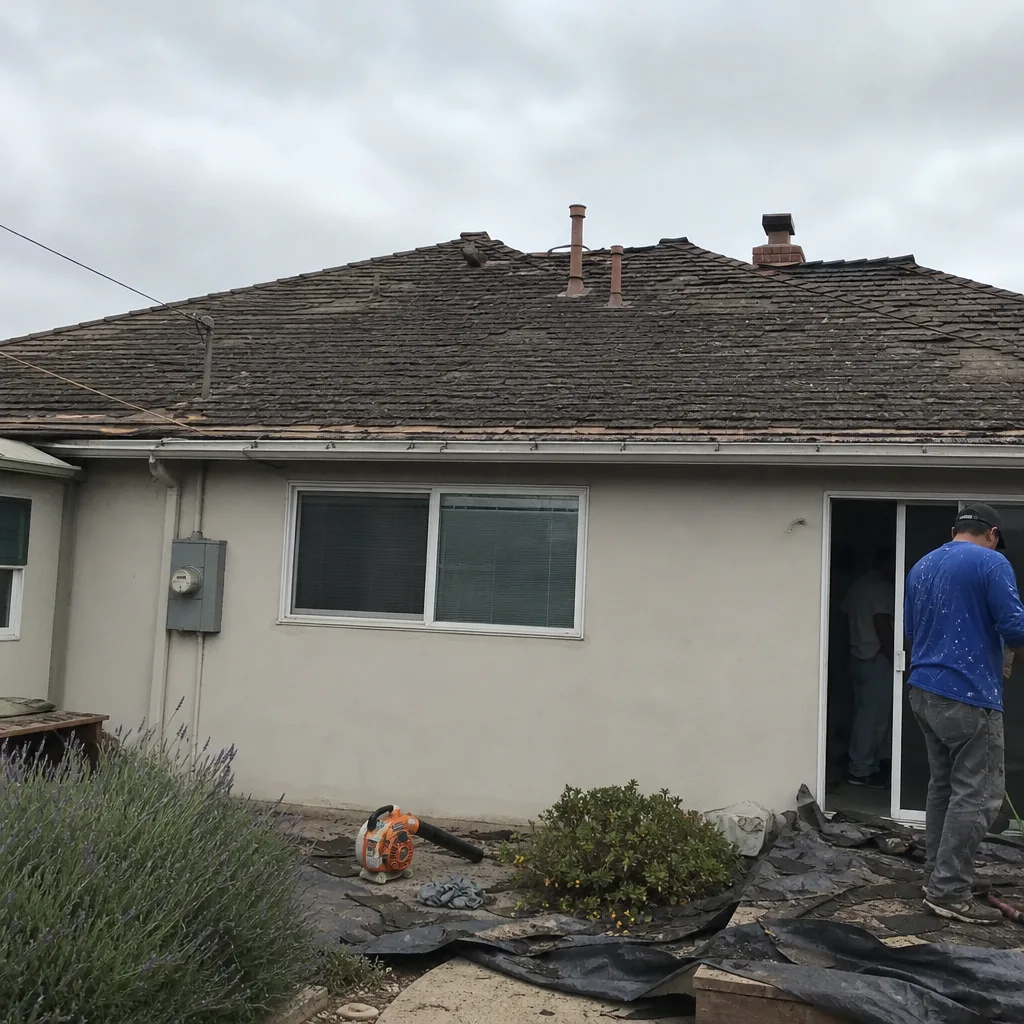 Before
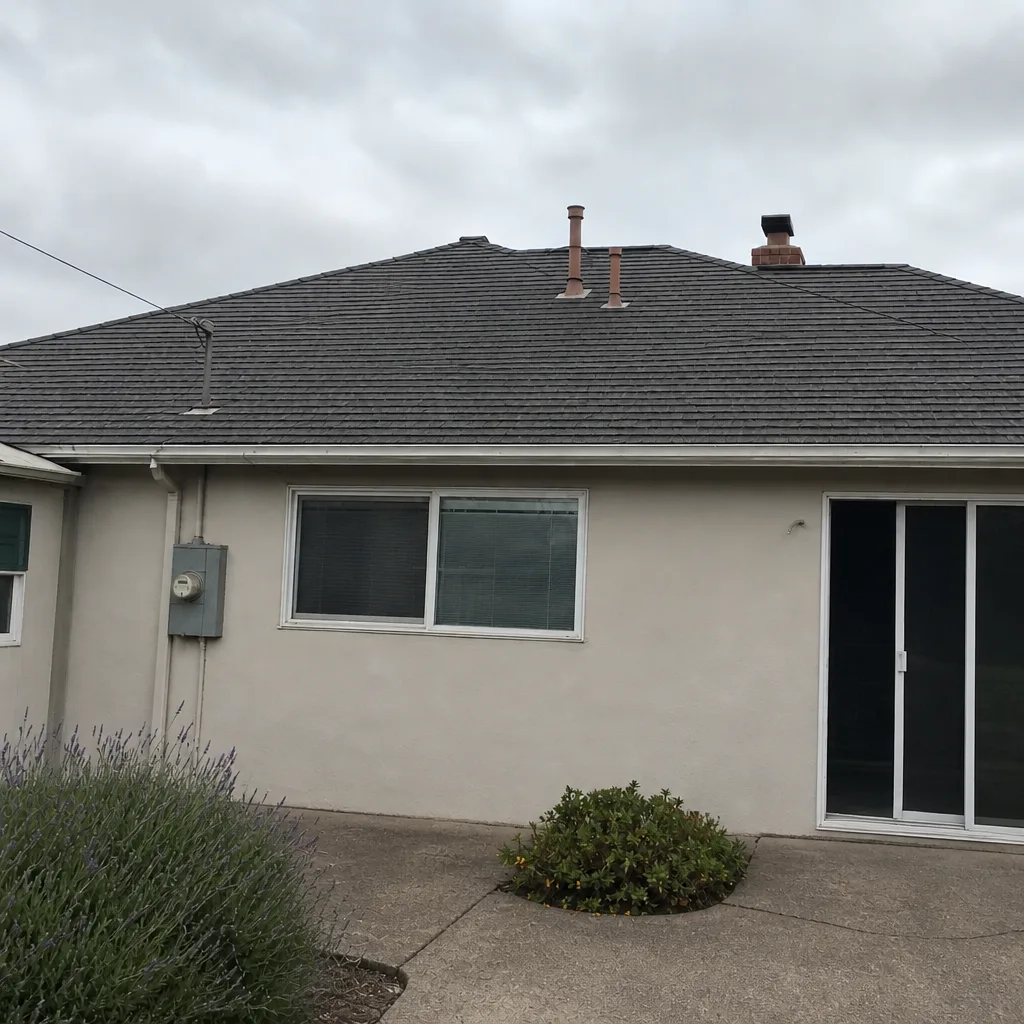 After
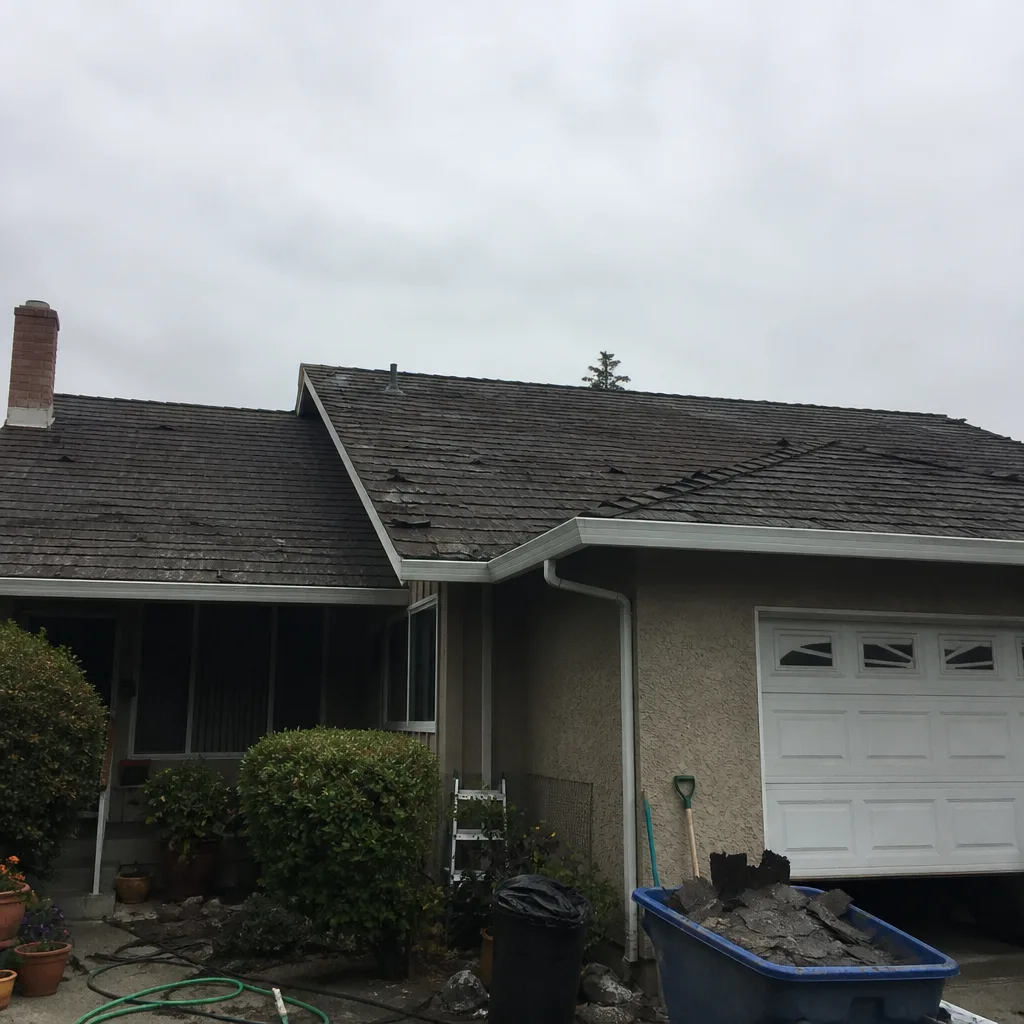 Before
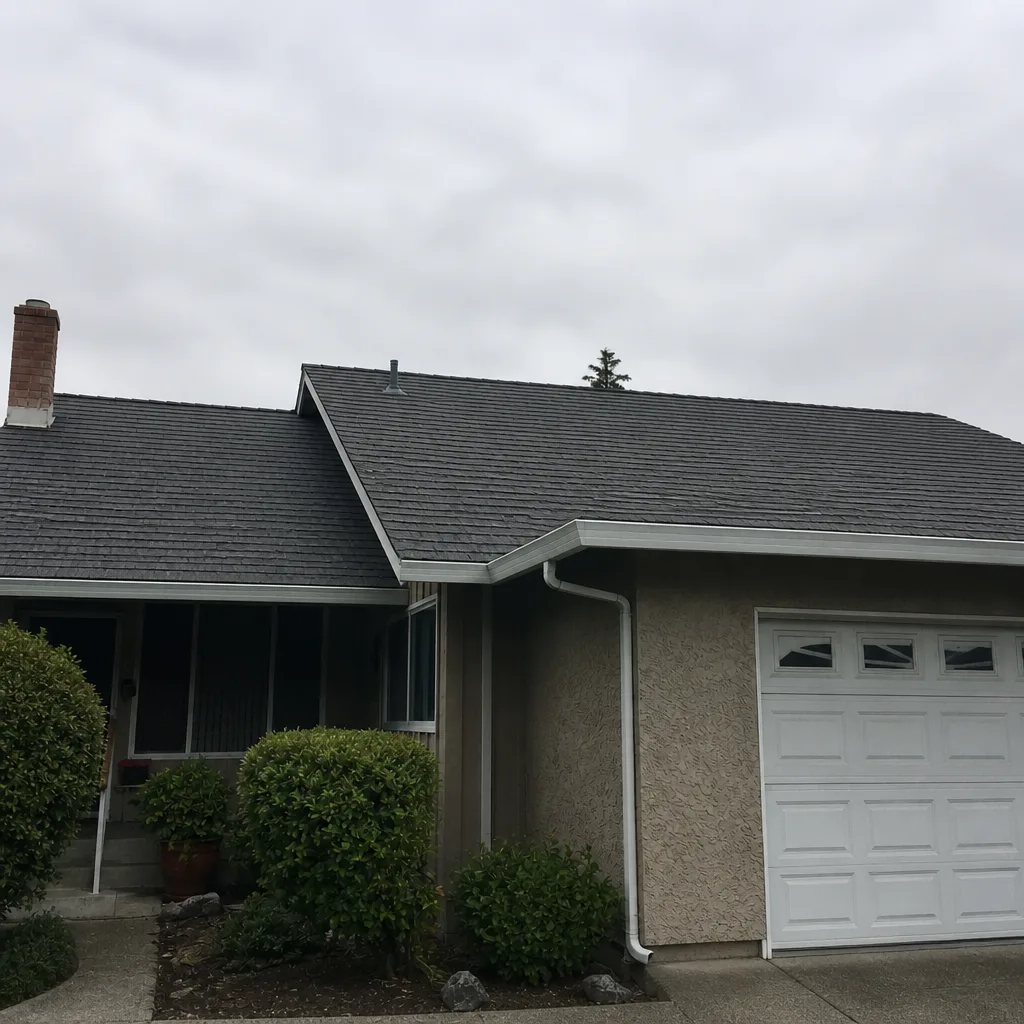 After
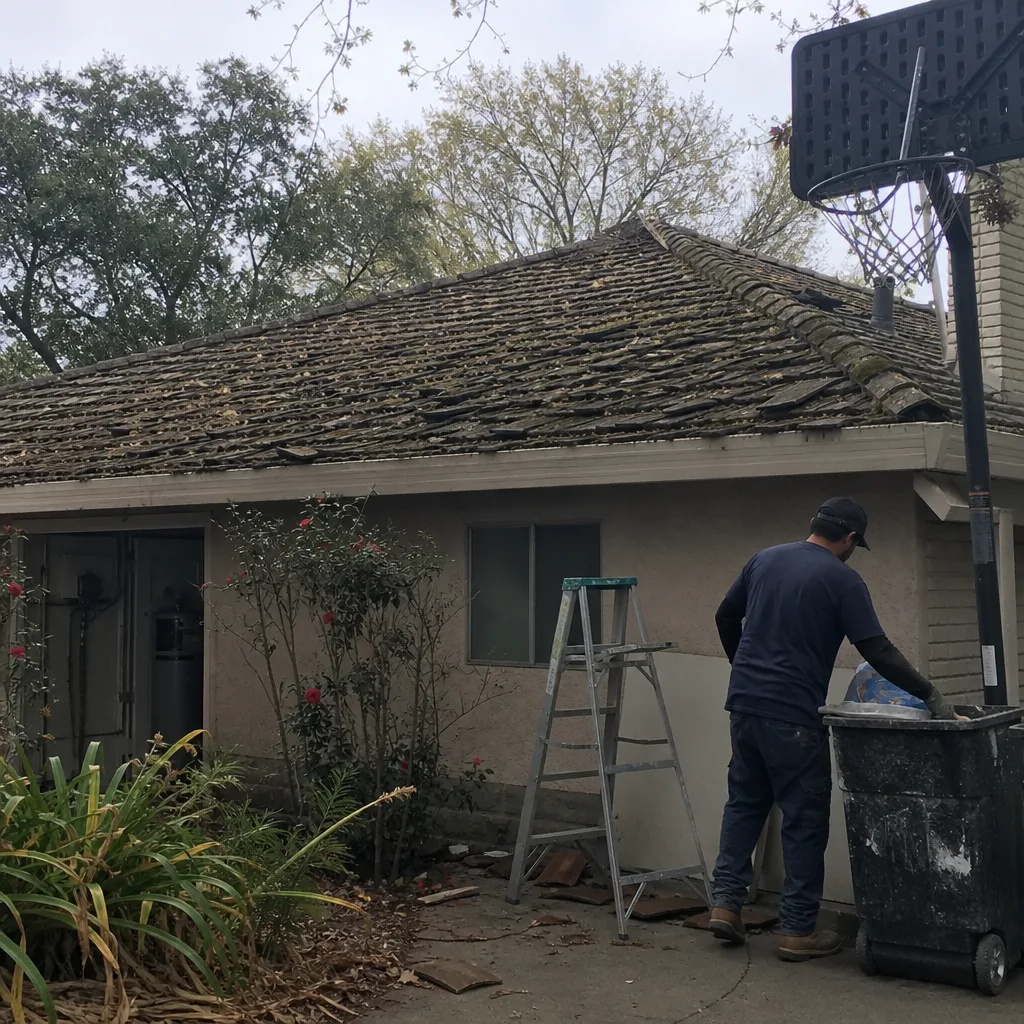 Before
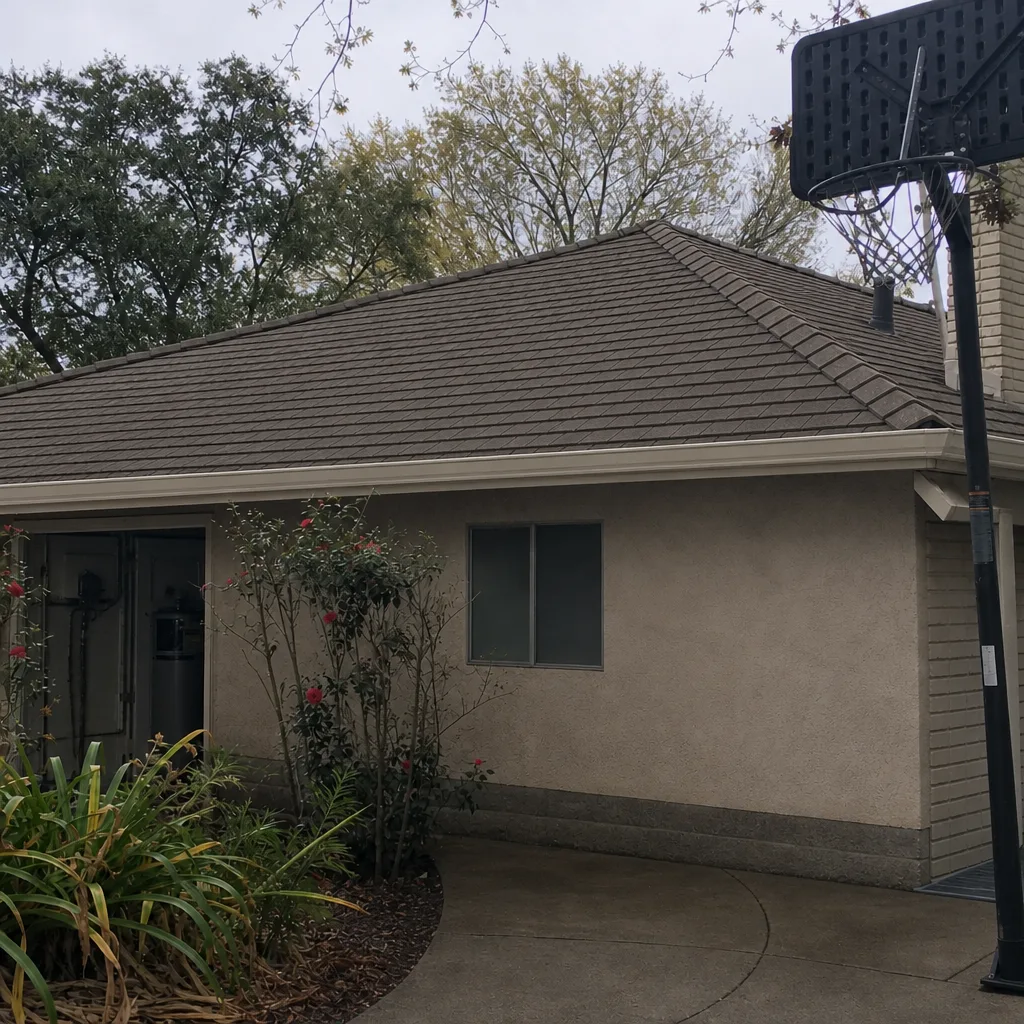 After