
Last updated November 14, 2026
 Architectural shingles
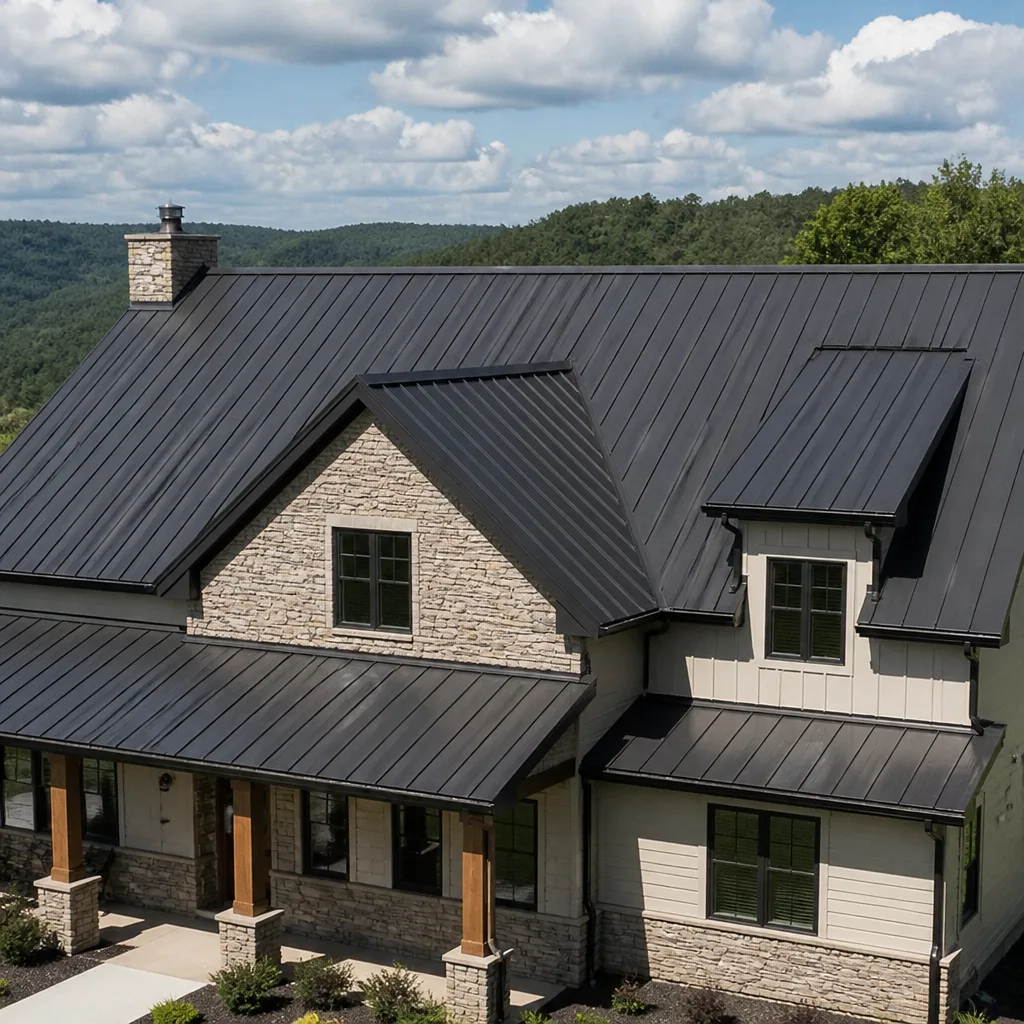 Metal roofing
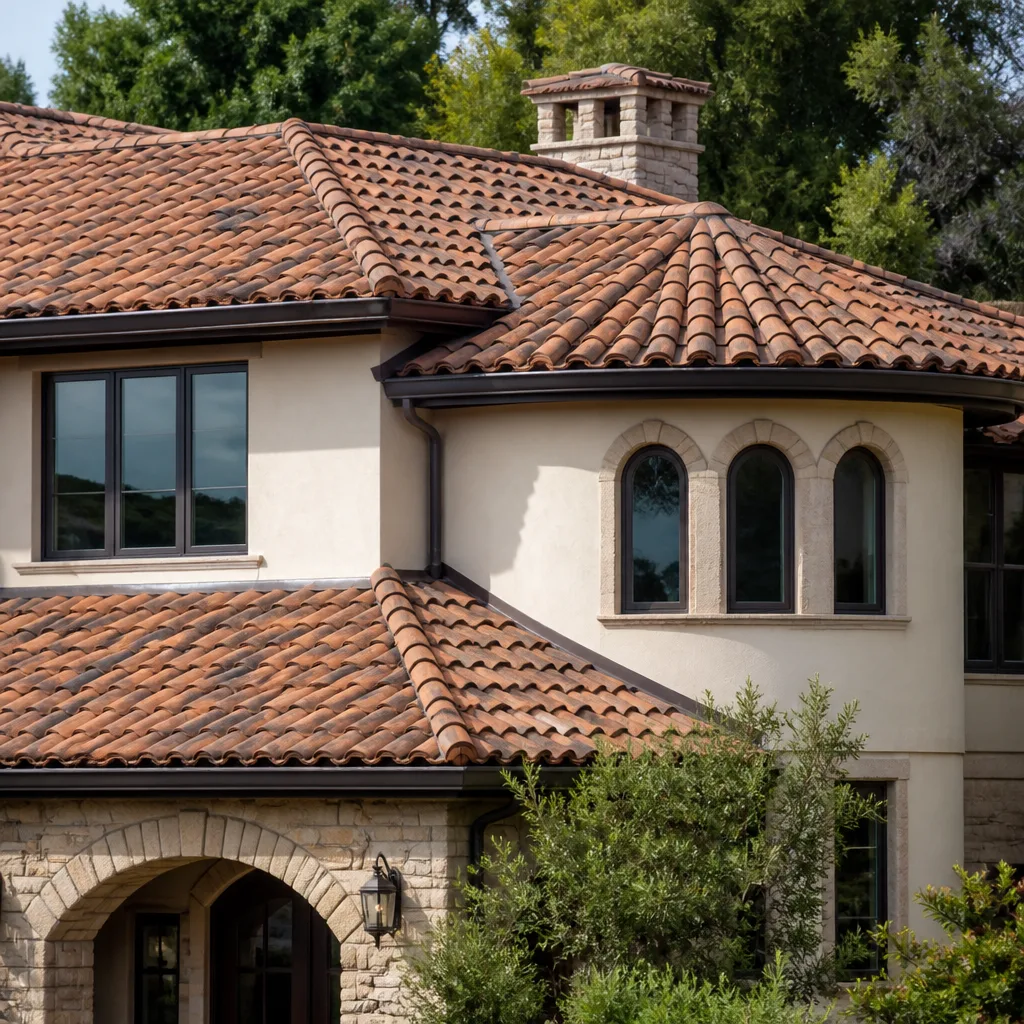 Tile roofing
 GAF
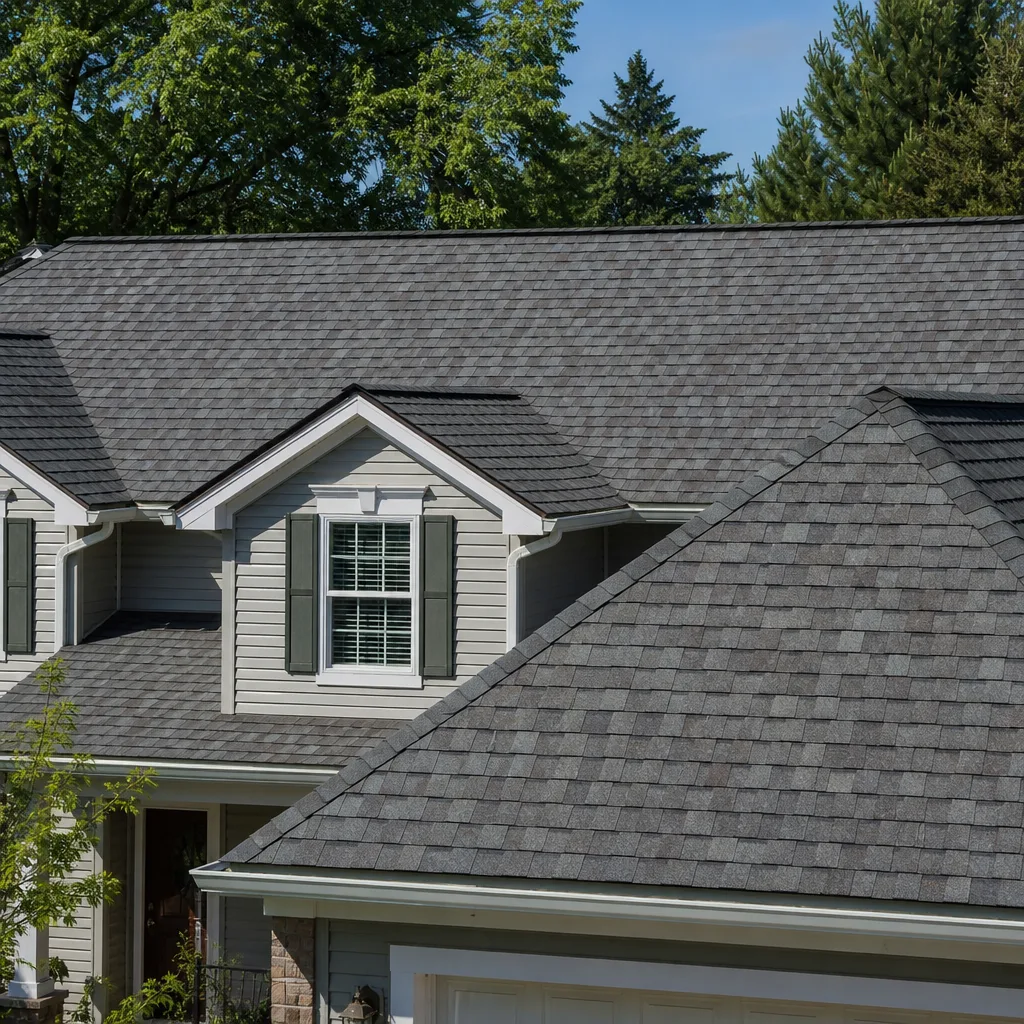 Owens Corning
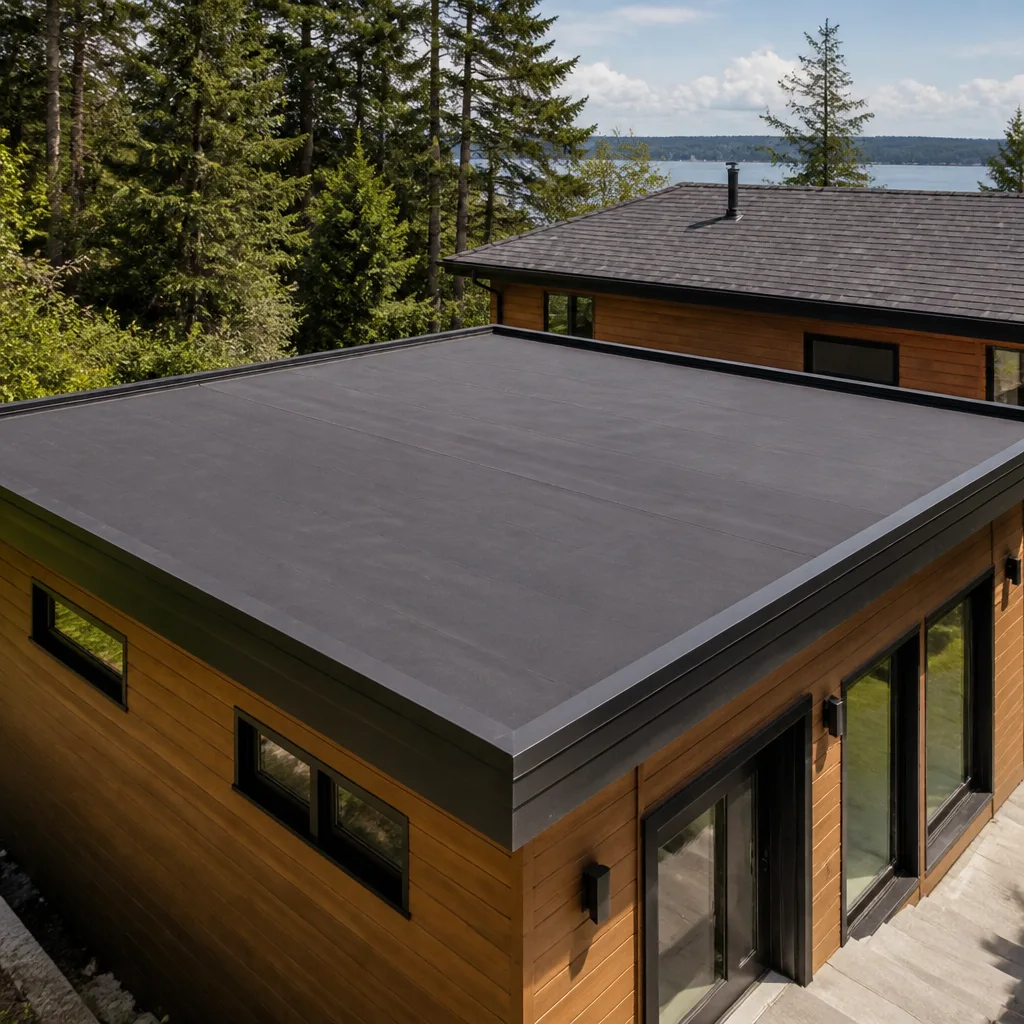 Flat & low-slope
Free roof inspection with deck photos before we talk money - GAF and Owens Corning certified installation
The Complete Roof Repair Guide for Santa Clara Homeowners
Most roof repair guides are written for wet climates, where the enemy is rain and the fix is a new layer of shingles every time water finds a way in. Santa Clara doesn’t work that way. Here, the sun does most of the damage, and it does it slowly and quietly. Asphalt shingles bake through long dry summers, expand and contract through hot days and cool nights, and loosen at the fasteners long before a leak shows up on your ceiling. Add gentle seismic movement along the ridges and valleys and you have a set of failure patterns that generic advice simply misses. This guide explains how roofs actually fail in Santa Clara, how to tell a repair from a replacement, and what a proper inspection should cover.
Quick Answer
Roof repair in Santa Clara is usually driven by sun-driven shingle aging, thermal cycling, and small structural movements rather than heavy rain. Most leaks trace back to failed flashing, cracked sealant, or backed-out fasteners at valleys, ridges, and penetrations. A qualified inspection should tell you whether a targeted repair solves the problem or whether the roof is far enough along that a replacement is the better spend. Getting that diagnosis from a roofer who offers both repair and replacement, without a push toward either, is the single most important step.
Styles & brands we work with
- Architectural shingles
- Metal roofing
- Tile roofing
- GAF
- Owens Corning
- Flat & low-slope
Table of Contents
- Why Santa Clara Roofs Fail Differently
- Thermal Cycling: The Failure Mode Nobody Talks About
- Seismic Micro-Movement at Ridges and Valleys
- What a Proper Roof Inspection Covers
- Repair or Replace: A Decision Framework
- Material Lifespan Calibrated to Santa Clara
- How a Roof Repair Actually Unfolds
- Common Mistakes to Avoid
Why Santa Clara Roofs Fail Differently
Santa Clara gets a lot of sun and very little weather drama. That sounds like an easy life for a roof, and in some ways it is. You won’t see the freeze-thaw damage that tears apart roofs in colder regions. But sun is a construction material’s worst long-term enemy, and it never takes a day off here. Ultraviolet light breaks down the asphalt binder in shingles, drying them out, making them brittle, and stripping the granules that shield the surface. Once the granules are gone, the sun reaches the asphalt directly and the aging process speeds up.
This is why a roof in Santa Clara can look “fine” from the ground while it’s actually nearing the end of its useful life. The damage is granular and gradual, not dramatic. A few things to understand about the local pattern:
- UV exposure is the primary aging force. South- and west-facing slopes take the most direct sun and typically age fastest. If one side of your roof looks noticeably worse than the others, that’s usually why.
- Dry heat dries out sealants and flashing. The tar-like sealant around vents and pipe boots gets brittle and cracks. That’s one of the most common sources of small leaks we see around Santa Clara.
- Tree debris and dust accumulate slowly. Debris traps a little moisture against the surface after a rare rain and keeps shaded areas from drying out as quickly.
- Rain, when it comes, is concentrated. A dry roof that suddenly gets a heavy storm has less margin for any weak point. Small gaps that stayed dry all summer can leak in the first serious rainfall.
The practical takeaway: don’t judge a Santa Clara roof by whether it’s leaking today. Judge it by its age, its material, and the condition of the details, because those predict the leak that hasn’t happened yet. If you want an honest read with no obligation to buy anything, a standalone inspection is the place to start.
Thermal Cycling: The Failure Mode Nobody Talks About
Here’s the mechanism that generic roof guides skip entirely. Santa Clara days can be hot, and nights are often much cooler. That daily swing makes every component on your roof expand in the afternoon and contract after dark. Do that thousands of times and things start to move.
What actually happens:
- Shingles crack. Asphalt shingles get less flexible as they age, so the daily expansion and contraction eventually causes hairline cracks, especially on sun-baked slopes.
- Fasteners back out. Nails and screws work loose over years of movement. A backed-out nail leaves a small hole and lifts the shingle above it, which is exactly where wind and water get a foothold.
- Sealant strips fail. The adhesive that holds shingle tabs down weakens with heat and movement. Lifted tabs are common and easy to spot from a ladder.
- Flashing pulls away. Metal flashing around chimneys, skylights, and vents moves at a different rate than the roof deck, so the seal at the edge can open up.
None of this fails all at once. It’s a slow accumulation, which is why a roof can hold up for a decade and then develop a cluster of small leaks in a single season. When we inspect a Santa Clara roof, we look specifically for backed-out fasteners, cracked shingle fields, and lifted tabs, because those are the fingerprints of thermal cycling and they tell us far more than a quick glance at the surface.
Seismic Micro-Movement at Ridges and Valleys
Silicon Valley sits in earthquake country, and while most of us think about seismic activity in terms of big events, the roofer’s concern is the small stuff. Even minor tremors and the constant low-level settling that comes with living near active fault lines create micro-movement in structures. On a roof, that movement concentrates at the ridge and in the valleys, where different planes of the roof meet and the framing does the most flexing.
Over time, this shows up as:
- Opened seams at the ridge cap. The cap shingles along the top of the roof can loosen and separate as the two slopes flex slightly against each other.
- Stressed valley flashing. Valleys carry the most water and see the most movement. A crack or separation in valley flashing is one of the highest-risk leak points on any Santa Clara roof.
- Hairline gaps at penetrations. Chimneys, vents, and skylights anchor into framing that moves. The seal around them can open a small gap that’s invisible until a heavy rain finds it.
- Sagging or uneven decking in older homes. Older Silicon Valley homes sometimes have decking that has settled unevenly, which puts extra stress on every detail above it.
You can’t do much about the ground under your house, but you can make sure the roof is detailed to handle movement. Properly installed flashing with the right laps, sealed penetrations, and ridge caps secured correctly all give the roof more tolerance for the small shifts it will inevitably see.
What a Proper Roof Inspection Covers
An inspection should give you answers, not a sales pitch. If a roofer climbs up, takes a quick look, and comes down with a replacement quote before you’ve asked a single question, that’s a signal. A real inspection takes time and follows a sequence. Here’s what we check on a Santa Clara roof, and what you should expect any qualified contractor to cover even when the visible damage seems minor.
- Roof surface and shingle condition. We look at granule loss, cracking, curling, and lifted tabs across every slope, noting which sides are aging fastest.
- Fasteners and decking. Backed-out nails, soft spots, and any sign of movement in the decking underneath.
- Flashing and penetrations. Chimney, skylight, vent boots, and pipe collars. We check the seals and the metal itself for cracks or separation.
- Valleys and ridges. The high-movement areas where seams and flashing are most likely to have opened.
- Gutters and drainage. Debris buildup, proper flow, and whether water is being directed away from the roof edge.
- Attic and underside (where accessible). Staining, moisture, and daylight show-through that reveal leaks from below before they show above.
- Age and overall condition assessment. A straight read on how much life the roof realistically has left based on its material and observed condition.
That last point is where an honest contractor earns trust. A good inspection ends with a clear conclusion: repair it, monitor it, or plan for replacement. We offer inspection as a standalone service precisely because that assessment should stand on its own, with no obligation to purchase anything afterward.
Repair or Replace: A Decision Framework
This is the question most Santa Clara homeowners are really asking when they call. The honest answer depends on a handful of factors, and no single one decides it. Here’s how we think it through.
Lean toward a targeted repair when:
- The damage is localized to one area, like a single valley, a chimney surround, or a set of pipe boots.
- The rest of the roof is in sound condition with life left in it.
- The leak traces to a failed detail (flashing, sealant, a backed-out fastener) rather than the shingle field as a whole.
- The roof is a mid-life material that just hasn’t reached its aging threshold yet.
Lean toward replacement when:
- The shingle field shows widespread granule loss, cracking, or curling across multiple slopes.
- You’re seeing leaks in several unrelated spots at once, which usually means the surface itself is failing, not one detail.
- The roof is approaching or past its realistic lifespan for its material and climate.
- Repairs would only patch a symptom while the underlying surface keeps failing, meaning you’d be back on the phone in a season.
We’re positioned to give that diagnosis honestly because we don’t only do one thing. Repair, replacement, and inspection all sit under the same contractor, so there’s no financial incentive to steer every call toward a full replacement when a repair will do. Sometimes the right answer is a repair. Sometimes it’s replacement. Sometimes it’s a repair now and a plan for replacement down the line. If you suspect you’re further along, a roof replacement consultation is the next step.
Material Lifespan Calibrated to Santa Clara
National lifespan charts are misleading here. A shingle rated for a certain number of years in an average climate will usually fall short of that in a place with this much sun. UV exposure ages asphalt faster than manufacturer averages suggest, so we adjust our expectations downward for sun-facing slopes. Here’s how the common materials tend to hold up in Santa Clara conditions.
- Standard 3-tab asphalt shingles: The entry-level choice. They age quickly in strong sun and are usually the first to show granule loss and cracking. Expect the shortest service life of the asphalt options.
- Architectural (dimensional) asphalt shingles: Thicker and more durable, with better granule coverage. They handle UV exposure better and are a strong middle ground for most Santa Clara homes. Brands like GAF and CertainTeed offer a range of product lines within this category, from value to premium.
- Tile: Naturally suited to hot, sunny climates. Tile resists UV degradation well; the weak points tend to be the underlayment and the flashing, not the tile itself. This is where a Boral product may come into the conversation.
- Value-tier systems: Brands like Tamko and IKO offer solid options when budget is the priority. They’re worth considering, provided the installation details are handled correctly.
Matching the product to the roof matters as much as the brand name. The right material for your roof, your climate, and your budget, not just the brand we happen to stock, is how we approach it. Because we work with seven major manufacturers, including GAF, CertainTeed, Owens Corning, IKO, Atlas, Tamko, and Boral, we can match a replacement section to an existing roof or find the best-value product for your situation rather than forcing a single-brand choice.
How a Roof Repair Actually Unfolds
A roof repair isn’t mysterious, but the order of operations matters. Here’s what a job typically involves, from first call to final check. Our technicians have up to 12 years of experience, and the sequence below is how we approach a repair on a Santa Clara roof.
- Diagnosis. We locate the actual source of the problem, not just the water stain on your ceiling. Water travels, so the leak you see inside isn’t always directly below the hole.
- Scope and written estimate. You get a clear description of what we’ll do and a written line-item quote before any work starts, with the price set per job.
- Surface preparation. We remove damaged shingles and clear the area so the repair sits on a clean, sound base.
- Flashing and detail work. Failed flashing, cracked sealant, and loose fasteners get corrected, since these are usually the root cause.
- Material matching. Because we work across multiple brand systems, we can match the repair section to your existing roof as closely as possible.
- Installation and sealing. Replacement shingles go down, fasteners are set correctly, and all details are sealed.
- Final check. We verify the repair and confirm the rest of the roof is sound before we call it done.
One point worth stating plainly: roofing work involves heights and load-bearing surfaces, and some repairs (especially anything near structural movement) are best left to a trained professional rather than a weekend project. We’re happy to explain what we’re doing, but we won’t hand you a step-by-step guide that puts you on a ladder in the heat.
Common Mistakes to Avoid
- Judging the roof by whether it’s leaking. A Santa Clara roof can pass the “no leak” test right up until the first heavy rain. Condition and age matter more than today’s dry result.
- Accepting a replacement quote before any inspection. If a roofer skips the detailed look at flashing and fasteners and jumps straight to replacement, you’re getting a pitch, not a diagnosis.
- Ignoring backed-out fasteners and lifted tabs. These small signs of thermal cycling are exactly the sort of thing that becomes a leak a season later. Catch them early and the repair stays small.
- Mismatching materials on a repair. A patch done with the wrong product can look fine but age differently from the surrounding roof. Working with a contractor who handles multiple brand systems avoids this.
- Putting off valley and ridge checkups. These are the high-movement areas on a seismic landscape. They deserve a look even when the roof surface looks intact.
- Choosing a roofer who only sells one outcome. A contractor who only does replacements will find a replacement. A contractor who does repair, replacement, and inspection can give you an honest answer.
- Skipping the standalone inspection to save a step. An inspection that isn’t tied to a sale is worth its weight in getting the decision right the first time.
When to Call a Professional
Call a professional when you spot water staining on a ceiling or wall, when you see cracked or missing shingles, or when you notice grit from your shingles collecting in the gutters, which points to granule loss. Call if a roof is nearing the age where its material typically fails, even without a visible leak. Call after any noticeable tremor if your roof is older, since micro-movement opens seams you won’t see from the ground. And call if a previous repair keeps leaking, because that usually means the real cause was never found. Sunstone Roof Repair offers free estimates in Santa Clara. Call (855) 473-8840. We answer 24/7. Fast dispatch from 7am to 7pm, Sunday through Friday.
See the difference
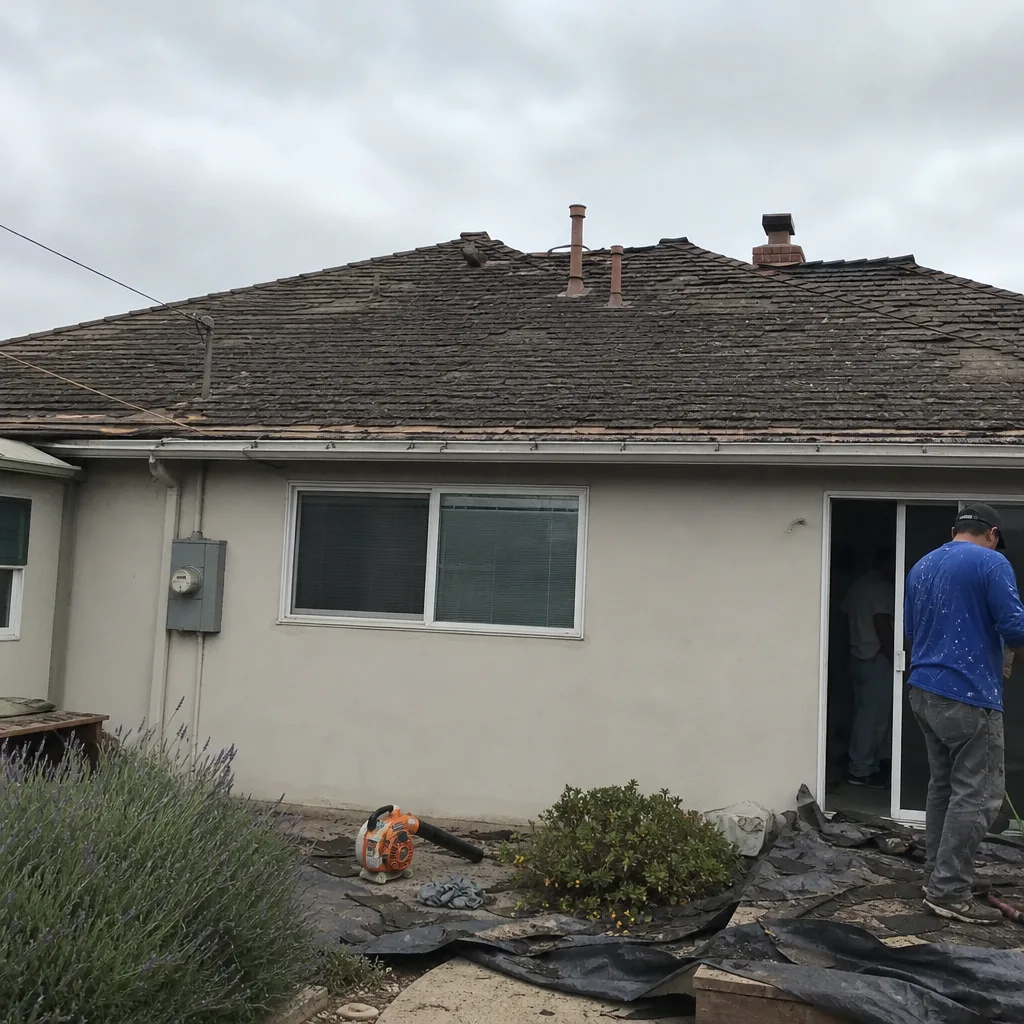 Before
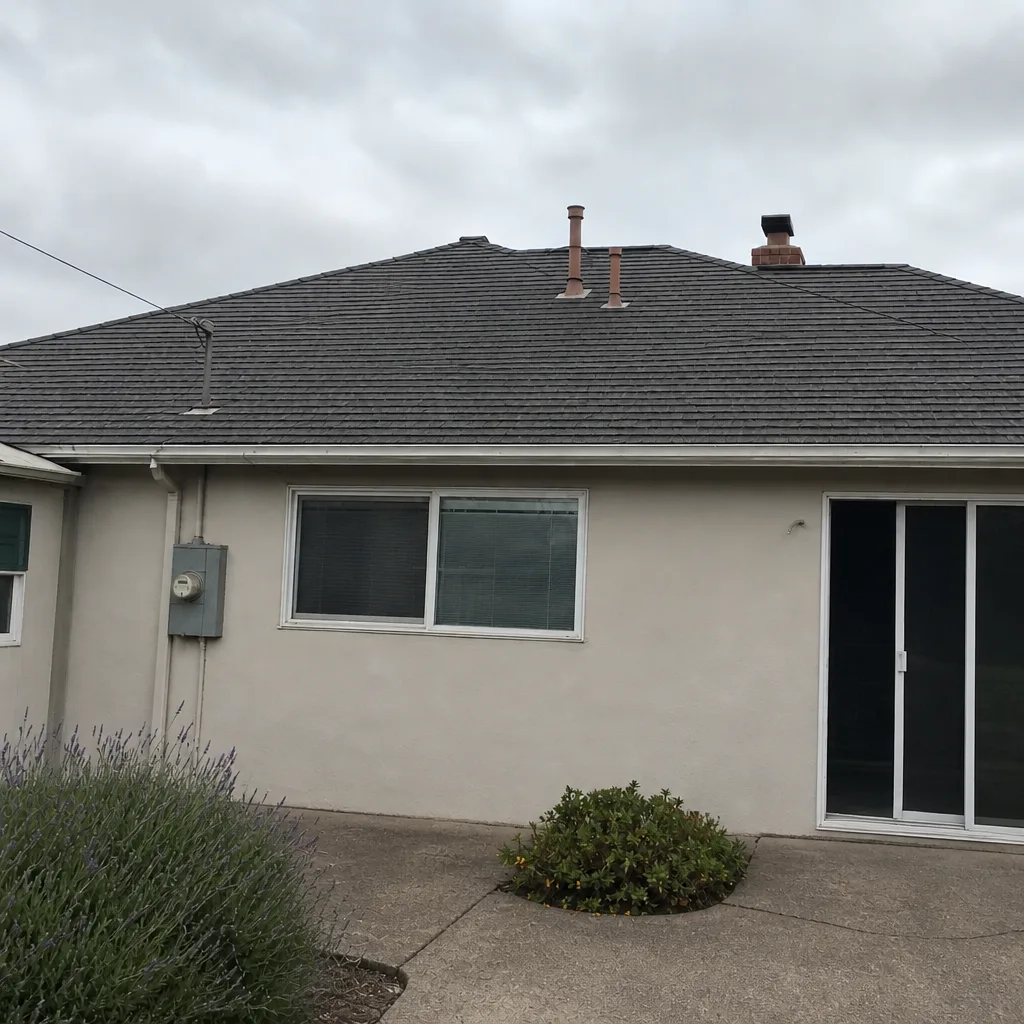 After
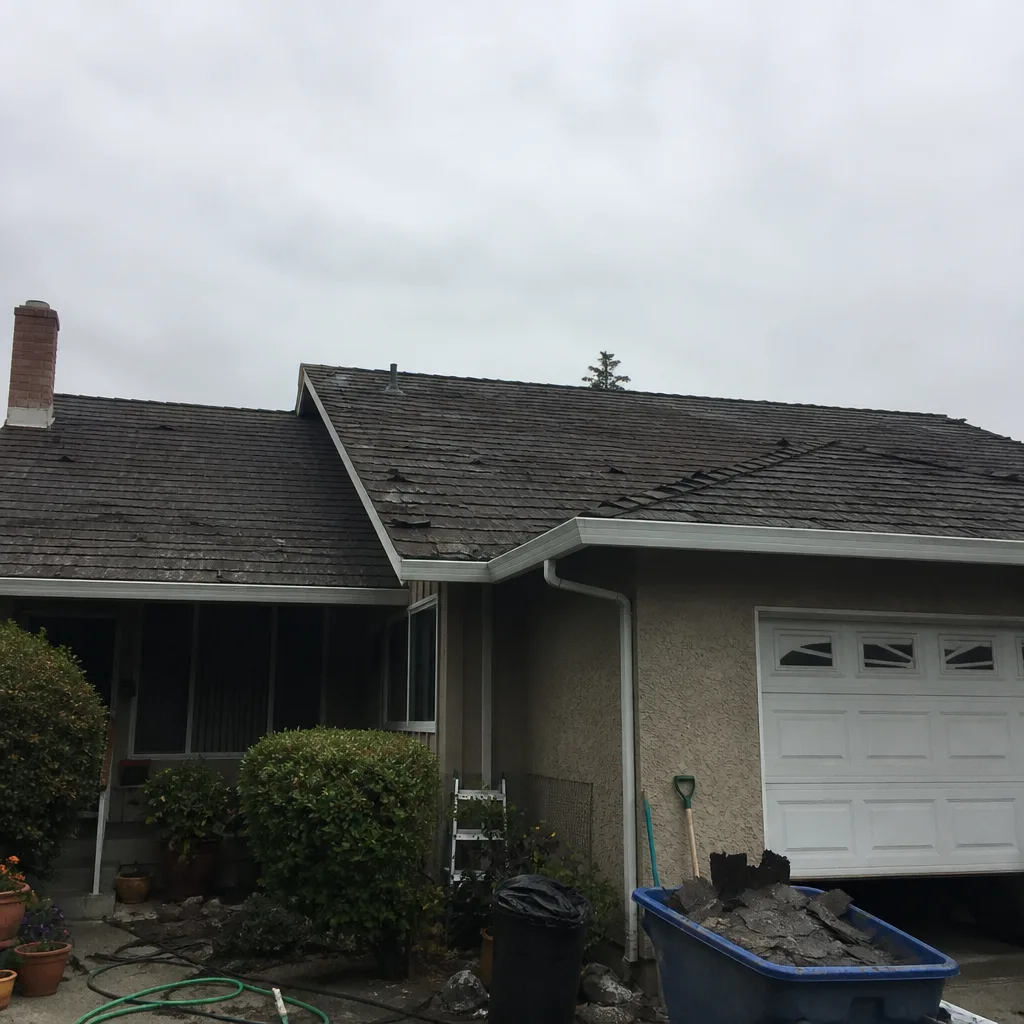 Before
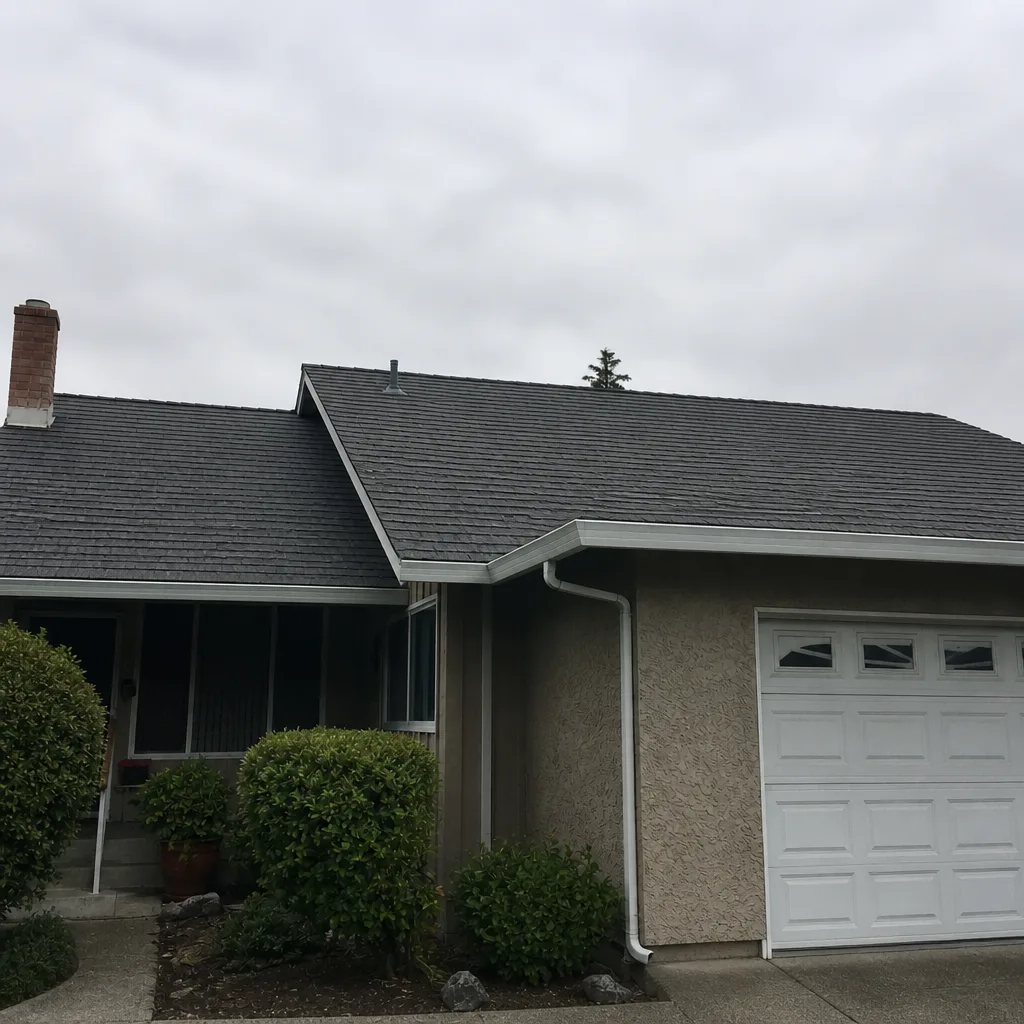 After
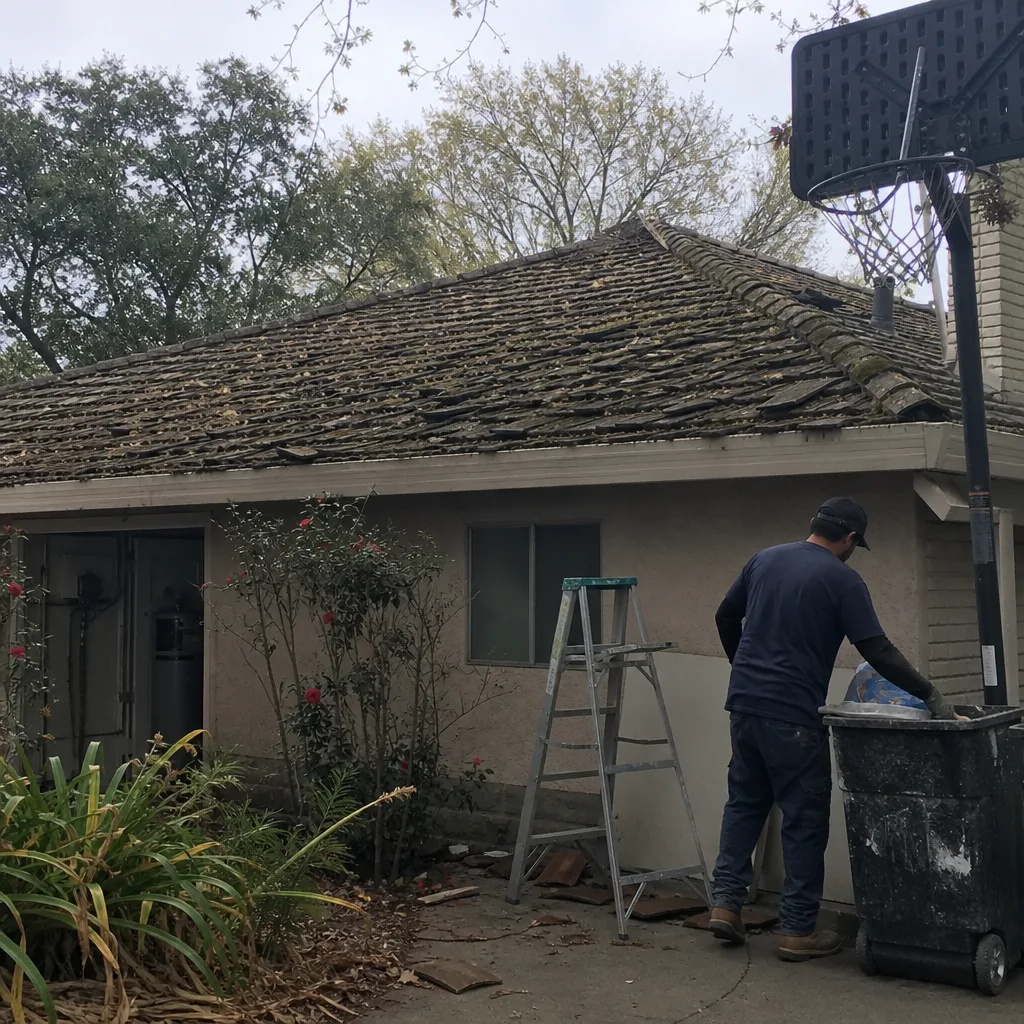 Before
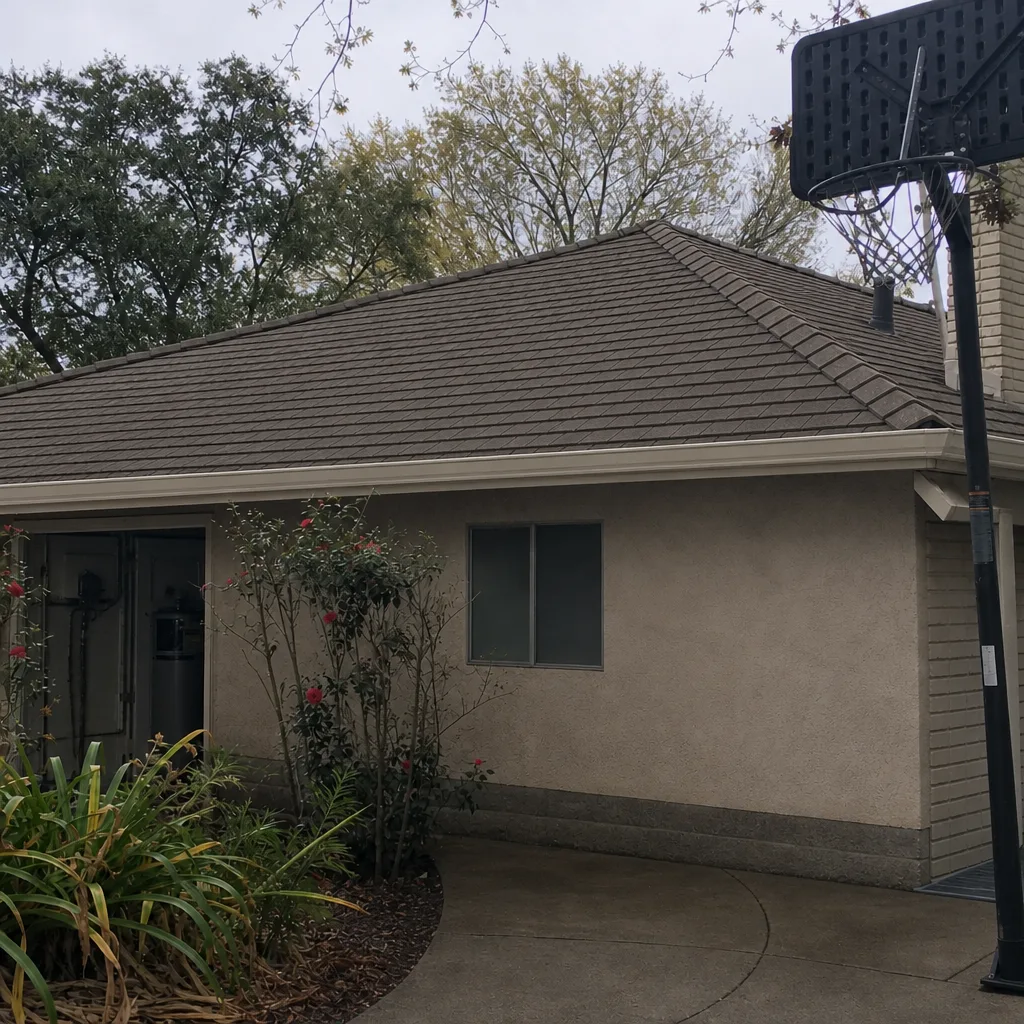 After
Frequently Asked Questions
Roof repair is priced per job based on a written line-item estimate, so the number depends on the size and location of the repair and the materials needed. A small detail repair like a pipe boot or a section of flashing sits in a very different range from a larger valley or chimney repair. Call (855) 473-8840 for a free estimate and an exact quote.
If the damage is localized and the rest of the roof is sound, a targeted repair is usually the right call. If the shingle field shows widespread granule loss, cracking, or leaks in multiple unrelated spots, replacement is more likely to be the better spend. An honest inspection settles the question. Call (855) 473-8840 to schedule one.
Because the damage builds up during the dry season and shows itself in the first serious rain. UV exposure dries out sealants, thermal cycling cracks shingles and backs out fasteners, and flashing around penetrations opens slowly over time. The leak isn’t caused by the rain; it’s revealed by it. Call (855) 473-8840 for an inspection.
The strong, consistent sun ages asphalt faster than national averages suggest, so sun-facing slopes typically wear out earlier than a generic lifespan chart would predict. Thicker architectural shingles and tile hold up better than standard 3-tab. We calibrate our expectations to local conditions rather than national charts. Call (855) 473-8840 to talk through your roof.
Permit requirements depend on the scope of the work and your local building department, and most structural or full-replacement work does require one. We’ll tell you what applies to your project before work starts. Call (855) 473-8840 for specifics on your roof.
Most targeted repairs are completed in a single visit, though larger repairs involving valleys, chimneys, or multiple areas can take longer. You’ll get a clear time expectation in your written estimate. Call (855) 473-8840 to schedule your free estimate.
The Bottom Line
Santa Clara roofs fail differently than roofs in wet climates, and that changes how you should think about repair. The sun and thermal cycling do the slow damage; the rare heavy rain exposes it. Granule loss, backed-out fasteners, cracked shingles, and opened seams at ridges and valleys are the signals to watch. The key decision, repair or replace, should come from an honest inspection, not from a contractor who only sells one outcome. If you want a straight answer about your roof, whether it needs a repair, a replacement, or nothing at all, we’re glad to take a look.
Contact
Whether you’ve spotted a leak, noticed aging shingles, or just want a professional eye on a roof you’re unsure about, the first step is a free estimate. Start with a Santa Clara roof inspection and get a clear diagnosis with no obligation to purchase anything. If a repair is the right answer, we’ll tell you. If replacement is the better spend, we’ll tell you that too. Call Sunstone Roof Repair at (855) 473-8840 for a free estimate. We answer 24/7. Fast dispatch from 7am to 7pm, Sunday through Friday. You can also start with roof repair and learn what a targeted repair looks like. From the first inspection to the final nail, one crew, one point of contact.
Written by the team at Sunstone Roof Repair.