
Last updated November 14, 2026
 Metal roofing
 Architectural shingles
 Tile roofing
 GAF
 Owens Corning
 Flat & low-slope
Free roof inspection with deck photos before we talk money - GAF and Owens Corning certified installation
Seasonal Roofing Care for Santa Clara: Year-Round Homeowner’s Guide
The worst time to find out your Santa Clara roof has a problem is during the first real rain of November. That’s also, reliably, when most homeowners find out. The dry months from May through October hide a lot: a cracked pipe boot, a lifted flashing edge, a valley packed with leaves. Water never touches them, so nothing shows inside, and the roof passes every visual test a homeowner knows how to run. Then the season turns, water finds the gap, and a ceiling stain appears. The fix for that pattern isn’t a better repair. It’s timing. This guide breaks the Santa Clara year into the two windows where roofing work actually matters and the two where you’re mostly maintaining what’s already there.
Styles & brands we work with
- Architectural shingles
- Metal roofing
- Tile roofing
- GAF
- Owens Corning
- Flat & low-slope
Quick Answer
Roof care in Santa Clara runs on a different calendar than most national guides suggest. The year splits into a pre-rain prep window in September and October, an active monitoring season from November through March, a post-rain assessment window in April and May, and a summer period of heat and wildfire-ash management from June through August. Do the right work in each window, and you’ll catch most problems while they’re still small repairs instead of replacements.
Table of Contents
- Why Santa Clara’s Roofing Year Has Four Windows, Not Four Seasons
- September and October: The Pre-Rain Window
- November Through March: Monitoring Without Getting on the Roof
- April and May: The Post-Rain Assessment Most Homeowners Skip
- June Through August: What Sustained Heat Does to a Roof
- Wildfire Smoke and Ash: The New Seasonal Variable
- Matching Material Choices to the Season
- Your 12-Month Santa Clara Roof Calendar
- Common Mistakes to Avoid
- When to Call a Professional
- Frequently Asked Questions
- The Bottom Line
Why Santa Clara’s Roofing Year Has Four Windows, Not Four Seasons
Most seasonal roof care advice is written for a climate with a hard freeze and a heavy snow load. Santa Clara doesn’t have either. What we do have is a long dry stretch, a concentrated wet stretch, and a summer that regularly pushes past 90°F for days at a time. That combination creates four distinct work windows, each with a different job attached to it.
Here’s how they break down:
- September and October: The pre-rain window. Highest return on effort of any point in the year. This is when clearing, sealing, and inspecting pays off directly.
- November through March: The active rain season. The job shifts from prevention to observation. You’re watching, documenting, and calling when something changes.
- April and May: The assessment window. Post-rain damage that hasn’t shown up inside yet can still be found and priced before summer demand tightens contractor schedules.
- June through August: The heat window. Shingles age faster in sustained heat, and attic ventilation becomes the single biggest lever on how fast your roof wears down.
Treating all twelve months the same is where homeowners get into trouble. Clearing gutters in February is wasted effort in a wet month. Inspecting a roof in August is fine, but the repair window that follows is the busiest one of the year. The timing is the whole game.
If you’re looking at an aging roof and trying to decide whether this is the year to act, that decision is best made in late spring, not in a panic after the first storm. Our roof repair team sees this pattern repeat every fall, and the calls that come in late tend to be bigger jobs than the ones that come in early.
September and October: The Pre-Rain Window
The pre-rain window delivers more value per hour of effort than any other period on the Santa Clara calendar. Everything you do in these two months is tested by the first substantial rain, usually in November. Anything you missed shows up then, and often inside the house rather than on the roof.
Here’s what we’d prioritize, roughly in order of what prevents the most damage:
- Clear the gutters and downspouts. Santa Clara’s dry summer leaves everything it drops sitting on the roof or in the gutters until it rains. Once the first real storm arrives, that accumulated debris turns into a dam, and water backs up under the shingle courses. Clear the gutters before November, not during it.
- Inspect the flashing at every penetration and transition. Pipe boots, chimney edges, skylight perimeters, and roof-to-wall joints are where the vast majority of leaks begin. Flashing is also where a small amount of sealant or a new boot can prevent a repair that runs into the thousands.
- Clear low-slope areas and valleys. Santa Clara homes with flat or low-slope sections over porches and additions collect leaves and debris that don’t slide off. Drainage on these sections is entirely dependent on the area being clear.
- Check the attic for moisture staining before rain, so you have a baseline. Look at the underside of the roof deck near the ridge and around penetrations. If you see staining in October, you know it’s from the last rainy season, and you know exactly where to look when the new one starts.
- Book a professional roof inspection. A trained eye on the roof before rain season catches what you can’t see from the ground: hairline cracks in the shingles, backed-out fasteners, deteriorating pipe boots, and granule loss on the south-facing slopes.
The most valuable thing about this window is that it lets you fix problems on your own schedule, with a written estimate and a choice of materials. A repair in October is a planned job. A repair in December, after water is already inside, is a decision made under pressure. If your roof is older and you’re weighing whether to repair or move toward full roof replacement, October is when the comparison is easiest and least urgent.
November Through March: Monitoring Without Getting on the Roof
Once Santa Clara’s rain season starts, the right posture shifts from doing to watching. The biggest mistake we see in these months is a homeowner climbing onto a wet roof to chase a leak. Wet shingles lose grip quickly, and the sections where leaks show up are often the same sections that are already weak. Don’t do it. There’s a better way to spend this period.
Here’s what to watch, what to document, and when to call:
- Watch interior ceilings and walls for staining. A stain that appears mid-storm tells you water is already past the roofing material. Take a photo, note the date and roughly where the stain is, and watch whether it grows after the next storm.
- Note the timing of any drip. Water that appears within an hour of rain starting suggests a direct path through a crack or failed flashing. Water that appears hours after the rain ends often points to a soaked area of deck or insulation releasing moisture slowly. Both need a professional, but the timing tells a technician a lot.
- Check the attic during and after storms, not during dry stretches. Look at the underside of the sheathing along the ridge, at the valleys, and around any penetration. This is where you’ll see water tracking before it shows on a ceiling.
- Watch for granules in gutters and on the ground. A steady accumulation through the wet months is a sign of an aging shingle surface, especially on the sun-facing slopes.
- Note any sagging or soft spots in the roof line when viewed from the street. This is a call-us-now signal. It can indicate sheathing that’s been wet for a while.
If a storm damages your roof and you need someone on site, it’s good to know how the timing works. We answer 24/7. Fast dispatch from 7am to 7pm, Sunday through Friday, and closed Saturday. A call that comes in outside dispatch hours gets booked into the next opening, so the important thing is to get the call in. Water damage compounds, and every day of delay makes the interior damage more expensive to fix.
We know how much Santa Clara homeowners hate being pressured into a replacement by a contractor who’s decided the answer before they’ve seen the roof. During rain season, that pressure is at its highest because the homeowner is worried. An inspection should give you answers, not a sales pitch. There’s a separate section below on how to tell the difference.
April and May: The Post-Rain Assessment Most Homeowners Skip
April and May are the skipped window on the Santa Clara roof calendar. By the time the rain ends, most homeowners are relieved that nothing leaked and never look at the roof again until the next fall. That’s a mistake, and it’s the mistake that turns small repairs into big ones over two or three years.
Spring is the best time to assess because the rainy season has just finished testing every part of the roof. Whatever held water is still visible. Whatever failed is still fresh. And you have the time to get it fixed before summer contractor demand peaks and before next season’s rain arrives.
Here’s the post-rain assessment to run every spring:
- Walk the perimeter of the house and look at the roof from the ground. Look for lifted or missing shingles, displaced ridge caps, and any debris that washed onto the roof.
- Recheck the attic after the last rain. Compare what you see now with your October baseline. New staining is a signal that something worked water through this season, even if the ceiling never showed it.
- Inspect gutters one more time. Wet season pushes a lot of material through gutters. What came down may have left the system partially blocked for the summer.
- Look at the ground at the base of downspouts. Erosion or pooling where downspouts discharge tells you the drainage is dumping too close to the foundation.
- Schedule a professional inspection and get a written estimate on any issue found. Getting this on paper in April means you have a plan, a comparison, and time. Getting it in October means you’re racing the season.
The reason spring matters more than fall, counterintuitively, is that spring gives you options. If the inspection finds a repair is all that’s needed, you have five months to get it done comfortably. If it finds the roof is at the end of its life, you have five months to choose materials and move through the process without pressure. That might mean deciding between a GAF or CertainTeed shingle, or comparing a premium line against a mid-tier option that suits your roof better. That decision is easy in April and stressful in November.
Sunstone Roof Repair runs a standalone roof inspection as a service, which means you can get the assessment on its own without any expectation of buying a repair or replacement. If the answer is “you’re fine for another few years,” that’s the answer you’ll get.
June Through August: What Sustained Heat Does to a Roof
Santa Clara summers hit 90°F and stay there for days at a stretch. That kind of sustained heat is hard on a roof in ways that are invisible until they aren’t. Shingles don’t fail suddenly in heat; they age faster, and the aging compounds with every summer.
What sustained heat actually does:
- Accelerated aging of asphalt shingles. Heat drives the oils in an asphalt shingle to oxidize faster. That shows up as brittleness, curling edges, and granules shedding onto the ground.
- Thermal movement at every seam. Roofing material expands in the heat and contracts overnight. Every expansion joint, flashing edge, and penetration seal moves with it. Over years, that movement is what cracks sealant and backs out fasteners.
- Pressure from the attic side. This is the big one. An under-ventilated attic can run much hotter than the outside air, and that heat radiates up into the shingles from beneath. Two roofs made of the same material will age at very different rates depending on attic ventilation.
Attic ventilation deserves its own paragraph. Most homeowners never think about it, but it has more to do with how long your shingles last than almost any other factor you can control. The basic principle is balanced intake at the eaves and exhaust at the ridge, so hot air has somewhere to go. When that balance is off, the deck gets hot, the shingles age quickly, and any moisture trapped in the attic has no way out. A roof inspection that skips attic ventilation is only looking at half the roof.
Summer is also a bad time to schedule a replacement if you can avoid it, not because the work can’t be done, but because it’s the busiest period of the year. If your inspection in April or May pointed at a replacement, get it on the calendar before June if possible. The right material for your roof, your climate, and your budget matters here: a premium GAF or CertainTeed line makes sense on a long-term home, and a value-tier option might be right if you’re selling or working to a budget. We work with seven brands, which means the recommendation is based on the roof rather than what happens to be sitting in a supplier’s yard.
Wildfire Smoke and Ash: The New Seasonal Variable
Wildfire seasons in recent years have brought smoke and ash into Santa Clara County on a scale that wasn’t a regular part of local roof care before. Ash accumulation is its own maintenance item, and it behaves differently from the leaves and dust that normally land on a roof.
Here’s what ash does, and what to do about it:
- It accumulates unevenly. Ash piles in the same low-slope areas and valleys that collect leaves, but it sits closer to the surface and doesn’t blow off as easily. This means drainage areas you clear in September may need a second pass after a smoke event.
- It’s mildly acidic when wet. When ash sits on flashing sealant or a metal valley and gets wet, it can degrade the sealant faster than plain water would. Rinsing or blowing it off after a heavy ash fall is worth the effort.
- It fills gutters differently than leaves. Ash mixes with leaves to form a dense, heavy mat that blocks downspouts more thoroughly than dry leaves alone. A standard gutter clearing may not be enough after a heavy ash event.
- It settles into the texture of the shingle surface. Ash in the granule texture washes off with the first good rain, but until then, the roof looks dirtier than it is. That doesn’t mean the roof is deteriorating. Don’t let anybody tell you an ash-covered roof needs replacement just because it looks bad.
The practical step is simple: after a significant smoke or ash event, add a roof and gutter clearing to your schedule, especially if it’s close to the start of rain season. Ash sitting in gutters in October that hasn’t been cleared is a backed-up gutter in November, which is a leak in December.
Matching Material Choices to the Season
The right time to think about roofing materials is when you’re not actually on a deadline. That’s another argument for the spring and fall windows: they give you the room to compare materials properly instead of taking the first option in front of you.
A few things worth knowing about material timing in Santa Clara:
- Most asphalt shingle and tile installation work goes best in dry weather. That rules out most of the rain season for replacement projects. If you’re planning a replacement, spring is the natural window.
- Repairs are largely independent of season but not of urgency. A flashing repair in October is a routine job. The same repair in December after water has gotten in is a bigger job, since you may be looking at decking replacement as well.
- Material brand matters less than matching the existing roof on repair work. When a repair needs to integrate with an existing roof, the technician needs to find a shingle or tile that matches. Familiarity with multiple manufacturer systems, from GAF and CertainTeed to Boral and Owens Corning, means a repair can often match an existing roof that would be impossible to match with a single-brand contractor.
- Clay and concrete tile options, including Boral lines, are common on Santa Clara homes and hold up well in heat, but they need different underlayment maintenance than shingle roofs. If your home has tile, the maintenance schedule adjusts accordingly.
We’ll tell you exactly what your roof needs, whether that’s a targeted repair, a full replacement, or nothing at all this year. If the honest answer is “nothing,” that’s a valuable answer, and it beats a contractor who pushes a replacement onto a roof that has years left in it.
Your 12-Month Santa Clara Roof Calendar
Here’s the full year in one place, structured so you can work through it month by month. Print it, save it, or put the key dates in your phone reminders.
- September: Clear gutters and valleys. Remove debris from all low-slope areas. Check flashing by eye from a safe vantage.
- October: Book a professional roof inspection. Get a written estimate for any issue found. Schedule any repair work before rain season begins.
- November: First significant rain likely. Note any interior changes. Check the attic after storms. Don’t get on the roof.
- December through February: Monitor and document. Watch for staining, granules in gutters, and any signs of ceiling moisture. Call if something changes.
- March: Final storm check. Document anything that appeared during the season. Start thinking about what to fix.
- April: Post-rain assessment. Full roof and attic inspection. Get a written estimate on anything found. This is the best month to compare repair versus replacement options.
- May: Decide on the plan. If a replacement is coming, schedule it before summer. If a repair, get it on the books.
- June through August: Heat maintenance. Check attic ventilation. Clear ash after smoke events. Complete any replacement work scheduled earlier in the year.
If a home is in an area of Santa Clara that gets more wind exposure or has mature trees close by, the fall and post-storm passes matter more. If it’s a newer roof with clean ventilation, the emphasis shifts to the April inspection and summer ventilation check. Adjust the schedule to what the house actually needs, not to what a generic guide says.
Common Mistakes to Avoid
- Treating all twelve months the same. Cleared gutters in February and an inspection in August both miss their windows. Timing is the difference between prevention and repair.
- Getting on the roof during the rain season. Wet shingles, wet tile, and wet ladders are how minor roof problems become hospital visits. Watch from the attic and call a professional.
- Skipping the April assessment. This is the single biggest miss we see. A roof that “made it through the winter” may still have taken on water, and the damage doesn’t have to show inside to be real.
- Ignoring attic ventilation through the summer. Shingle aging is heavily driven by attic temperature. A roof that looks fine on the exterior may be aging quickly from the underside.
- Letting ash sit through the fall. After a smoke event, a quick roof and gutter clearing before rain season prevents a drainage backup that could have been avoided.
- Accepting a replacement quote from a contractor who never got on the roof. If somebody quotes a replacement from the driveway, that’s not an inspection. That’s a pitch.
- Putting off a small repair to wait for “when it’s worse.” A pipe boot replacement in October is a small job. The same issue in December after water comes through is a bigger job. Roofing problems rarely stay small once the water arrives.
When to Call a Professional
Some things are worth a call the same day. Others can wait for the next inspection window. Here’s how we’d draw the line.
Call immediately if you see water staining on a ceiling or wall, if a storm damages or displaces shingles, if there’s a visible sag or soft spot in the roof line, or if you’re not sure whether what you’re seeing is a problem. Being unsure is a valid reason to call.
Schedule a standard inspection if the roof is older and you’re not sure how much life it has left, if you’re preparing to sell, if it’s been more than a year since anyone has been on it, or if it’s been through a heavy smoke or ash event.
Sunstone Roof Repair offers free estimates in Santa Clara. Our technicians have up to 12 years of experience, we work with seven of the industry’s most trusted material brands, and we offer inspections as a standalone service so you can get answers without any pressure toward a repair or replacement. Call (855) 473-8840. We answer 24/7. Fast dispatch from 7am to 7pm, Sunday through Friday.
Frequently Asked Questions
October is the most important month of the year for roof care in Santa Clara. Whatever you do in October is tested by the first real rain in November, and anything that isn’t ready shows up as a leak. Clear gutters, clear low-slope areas, check flashing, and get a professional inspection in October, and you’ve done the highest-value work of the year. Call (855) 473-8840 for a free estimate on anything the inspection turns up.
No, we’d recommend against it, especially during rain season. Wet shingles, tile, and debris make the surface more slippery than it looks from the ground, and the sections where problems show up are often the sections that are already compromised. You can do a solid assessment from the ground with binoculars and from inside the attic. Anything that requires being on the roof should be done by a trained technician. Call (855) 473-8840 to schedule a professional inspection.
That answer should come from an inspection of the roof, the attic, and the ventilation, not from a quick look from the driveway. Common signals for repair include isolated staining, damaged flashing, or a single area of granule loss. Signals pointing toward replacement include a roof at the end of its service life, widespread granule loss, curling or missing shingles across multiple slopes, or water damage that’s reached the deck. Sunstone Roof Repair runs inspections as a standalone service, so the diagnosis comes before any recommendation. Call (855) 473-8840 for a free estimate.
Attic ventilation is one of the biggest drivers of how fast your shingles age, because Santa Clara summers push attics well above outdoor temperature. An under-ventilated attic traps heat that radiates up into the shingles from below, causing them to oxidize and become brittle faster than they would on a properly vented roof. It also traps moisture, which can lead to deck deterioration. A good roof inspection looks at both sides of the roof for this reason. Call (855) 473-8840 for a free estimate on a full inspection.
No, don’t wait. A leak that’s already showing inside is actively damaging decking, insulation, and interior finishes, and the damage compounds with each storm. Small repairs done quickly stay small. Repairs delayed until spring often become deck replacements by the time the rain is over. Call (855) 473-8840 as soon as you notice the leak. We answer 24/7. Fast dispatch from 7am to 7pm, Sunday through Friday, and a call that comes in outside dispatch hours is booked into the next opening.
Wildfire ash doesn’t structurally damage a roof, but it does accumulate in the same low-slope areas and gutters that collect leaves, and it mixes into a dense mat that blocks drainage more thoroughly than leaves alone. Ash is also mildly acidic when wet and can degrade flashing sealant over time. After a significant smoke event, add a roof and gutter clearing to your schedule, especially if it’s within a few weeks of rain season. If you’re not sure whether the ash has affected anything, call (855) 473-8840 for a free estimate on an inspection.
The Bottom Line
Santa Clara’s climate rewards timing more than it rewards effort. Prep in September and October when the work is cheap and easy. Watch in November through March when the roof is being tested, and call when something changes rather than climbing up to chase it. Assess in April and May when you still have choices, and manage heat and ash through the summer when the roof is aging fastest from the underside and the outside. Follow that calendar for a few years and you’ll spend less on your roof, catch problems earlier, and stop being surprised by the first rain of November. When you’re ready for a straight answer on what your roof actually needs, that’s what we’re here for at Sunstone Roof Repair. Call (855) 473-8840. We answer 24/7. Fast dispatch from 7am to 7pm, Sunday through Friday. For homeowners in Santa Clara, estimates are free and the written estimate is what sets the final price.
Written by the team at Sunstone Roof Repair.
See the difference
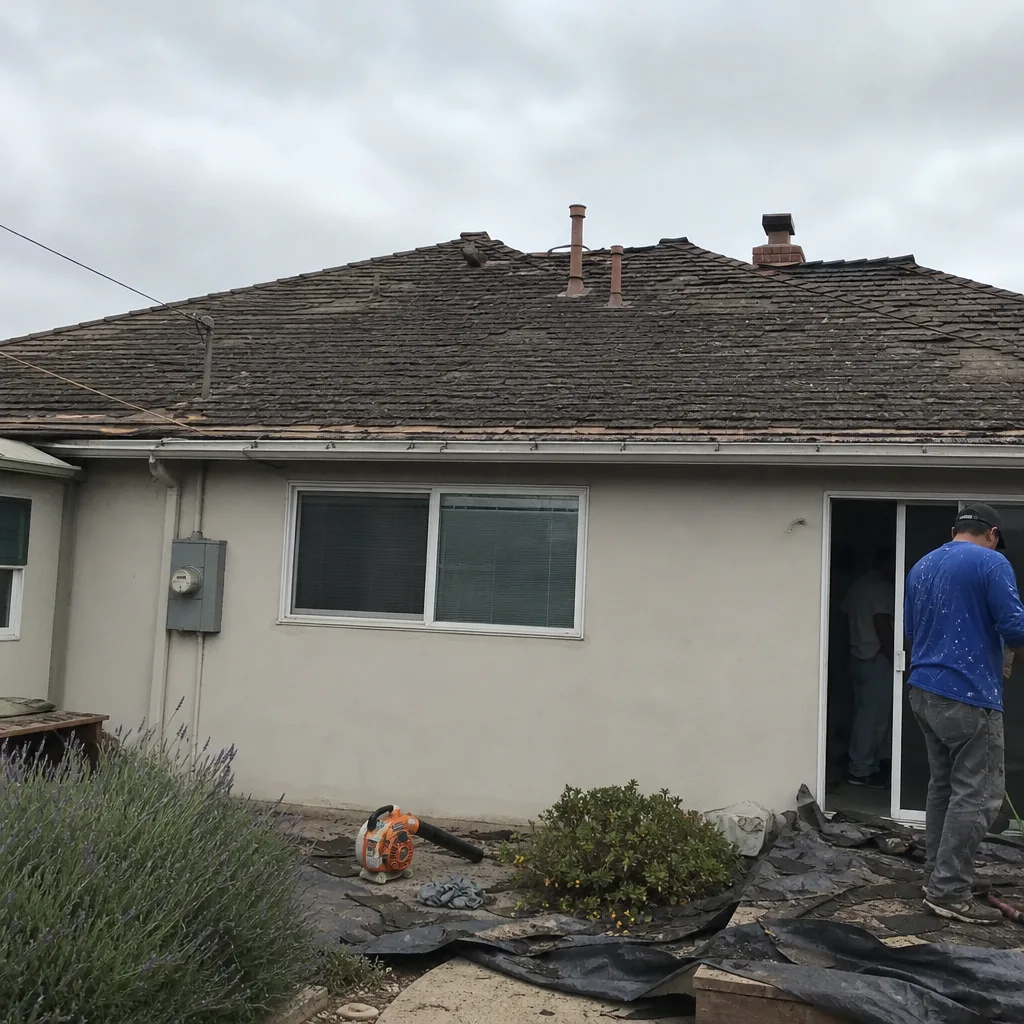 Before
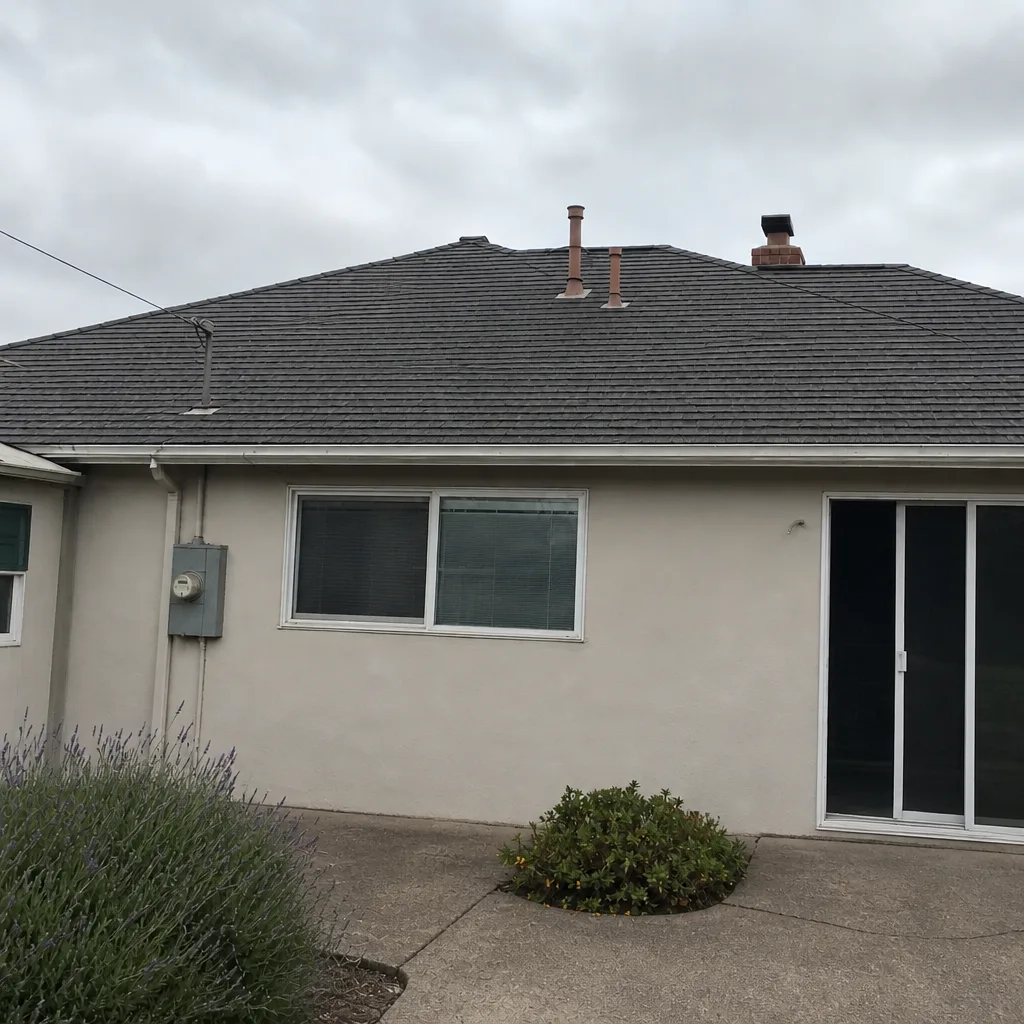 After
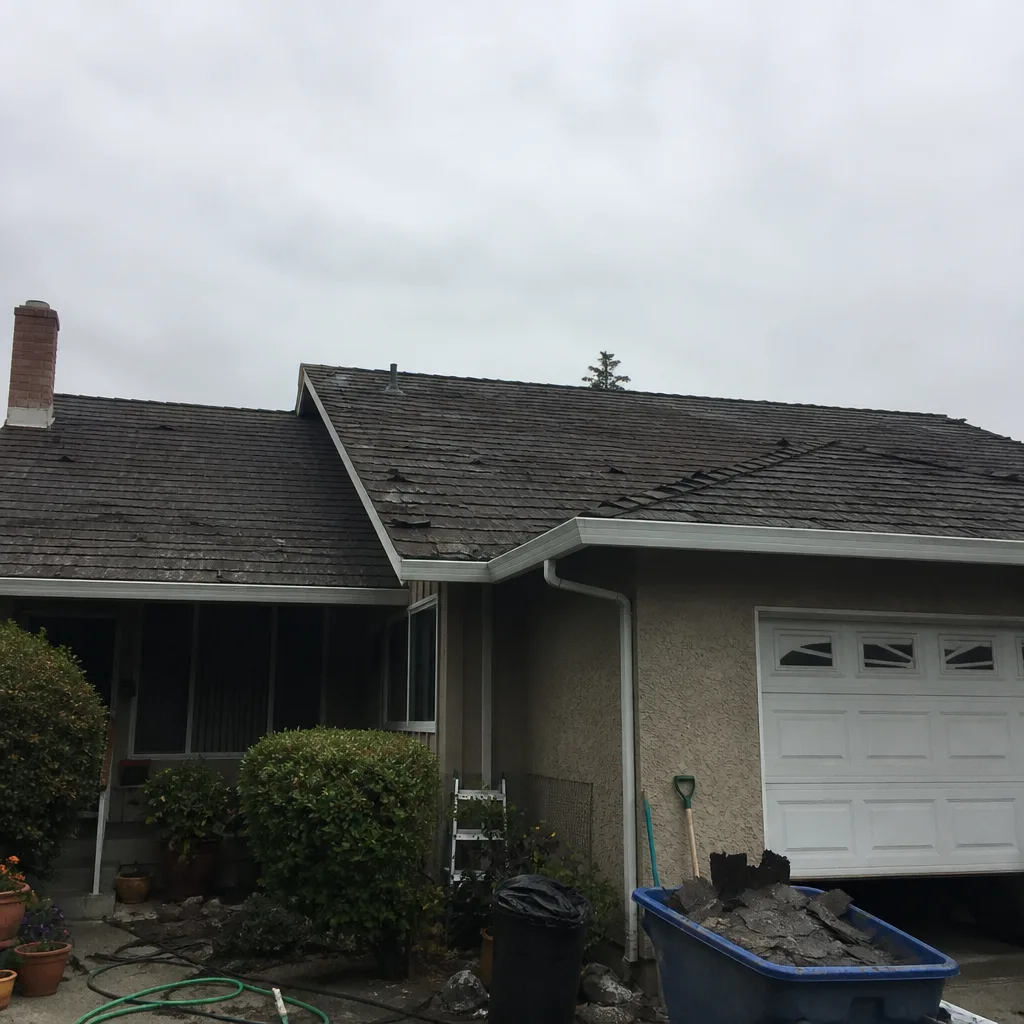 Before
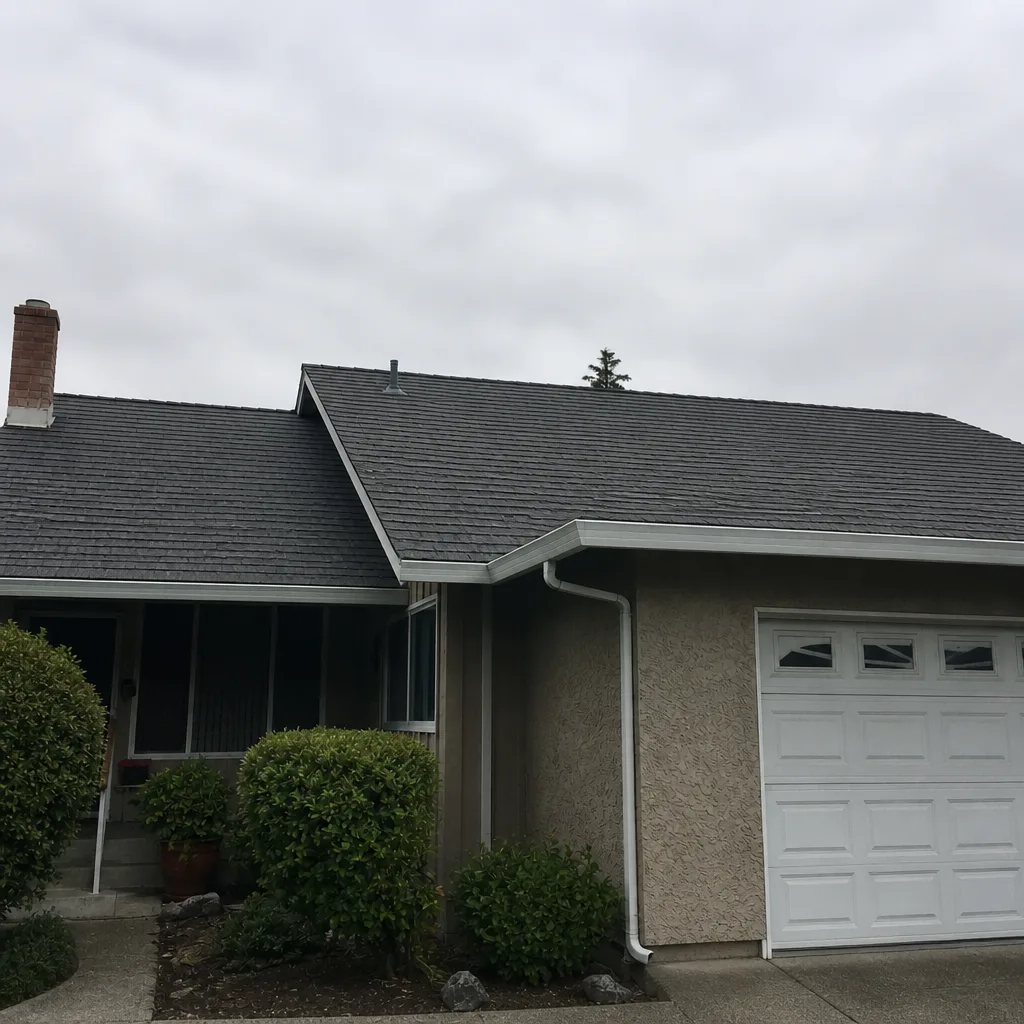 After
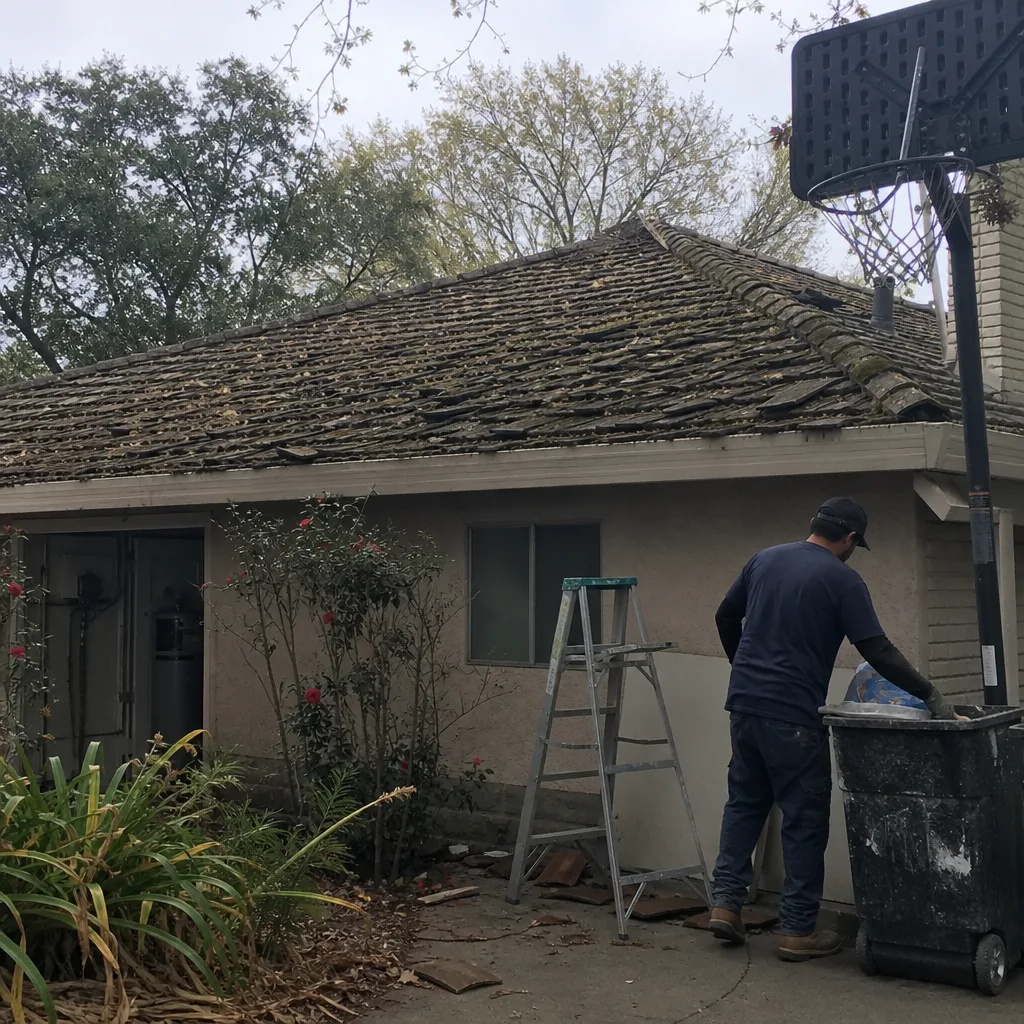 Before
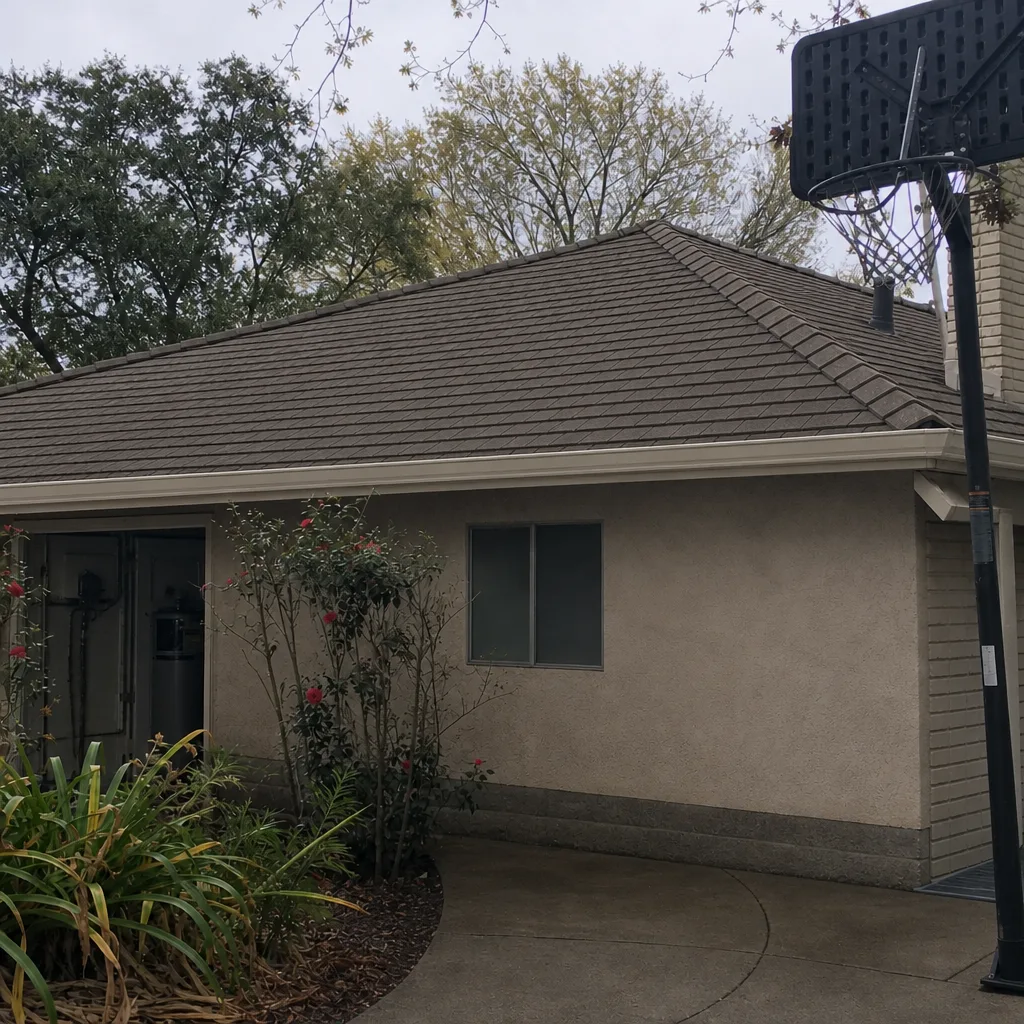 After